
For thousands of years, the Anatolian lands where Türkiye is located have stood at the meeting point of the world’s great stories. Empires have risen and fallen on this soil; faiths have found their footing here. Trade routes that shaped the ancient economy once carved paths through our mountains and across our seas. We have always been, in the truest sense, a place where the world converges.
From the timeless silhouette of Istanbul to the serene coastlines of the Aegean and Mediterranean, Türkiye offers visitors an experience that is both deeply rooted in heritage and vibrantly connected to the present. Yet, that inheritance is not merely historical. It is the animating spirit of Türkiye—a nation of 85 million people that is simultaneously a NATO ally, a member of the G20, and one of the most active diplomatic voices in an era that demands it.
Today, that same spirit positions Türkiye as a steadying presence in an unpredictable world—a country acting as a resilient bridge between regions and a trusted strategic partner at a time when certainty itself has become a global commodity.
The architecture of peace
We share borders with eight countries, sitting at the intersection of Europe, Asia, and the Middle East. Our chosen foreign policy is built on engagement. We have offered our institutions as platforms for mediation between parties who would not otherwise sit in the same room.
This is an active role that requires the trust of those who do not trust one another. It requires a reputation for consistency built over decades and a willingness to absorb political costs for the sake of long-term stability. Türkiye has accepted these conditions because we believe a world with fewer conflicts is better for everyone—including, and especially, our neighbours.
I raise this not to make a foreign policy argument in a travel narrative, but because the two are genuinely inseparable. A country trusted to mediate is a country that has demonstrated its commitment to stability. This proactive stance reinforces Türkiye’s position as a safe, accessible, and welcoming destination. As all flights and tourism operations proceed entirely as normal, now is the time to ensure our British visitors hear this message clearly.
What travellers understand
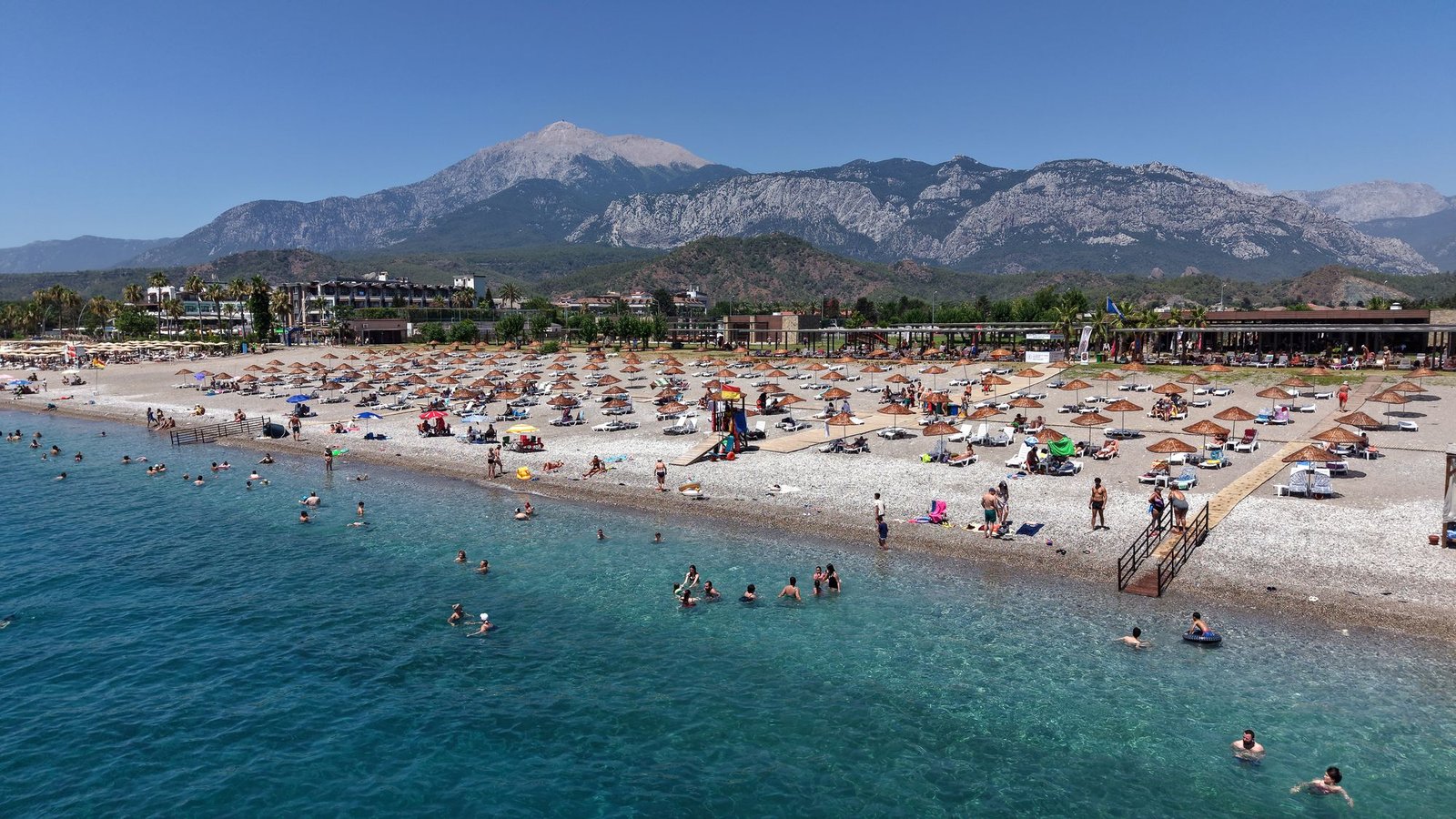
The most honest measure of confidence is the quiet, considered decision of millions of individuals—families planning their summers, couples marking anniversaries, and travellers seeking beauty paired with meaning.
Those individuals are choosing Türkiye in greater numbers than ever. Over the last month, British visitor numbers have increased by 10% compared to the same period last year. Forward bookings are tracking strong double-digit growth. These statistics are the aggregate of millions of personal judgements, informed by the knowledge that Türkiye’s primary holiday destinations—the Turkish Riviera, the Aegean shoreline, and the Bosphorus—are nowhere near the world’s current areas of tension.
A civilisation of welcome
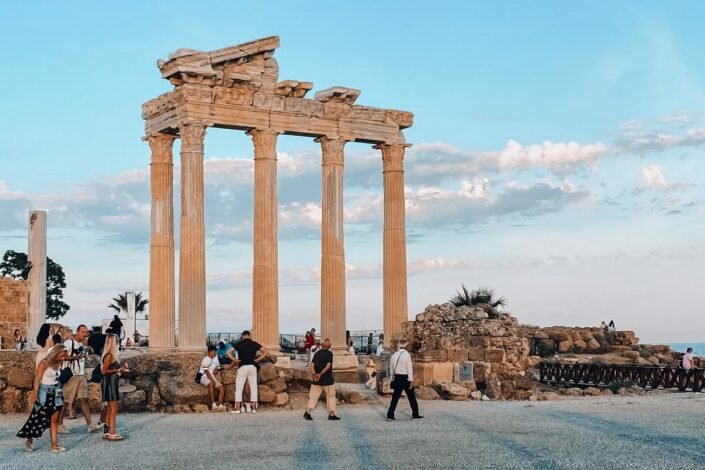
İstanbul was a capital of hospitality long before the word “tourism” existed. Antalya has drawn travellers since antiquity, and Bodrum possesses a quality of light that rewards return visits for a lifetime. These are not simply beautiful places; they carry the memory of every civilisation that has passed through.
When a British family spends a week at a Turkish resort, they are participating in one of the oldest traditions in human history: the visitor who arrives as a stranger and leaves as something more. That exchange—of hospitality given and wonder received—is the kind of human connection that makes peaceful coexistence natural.
The relationship between Türkiye and the United Kingdom is one with deep roots in trade and diplomacy. It is a bond we remain committed to deepening. A country that works for peace in contested regions, and receives the world’s visitors with openness, is making the same statement in two different registers. It is saying: we believe in the possibility of human beings choosing to be together rather than apart.