

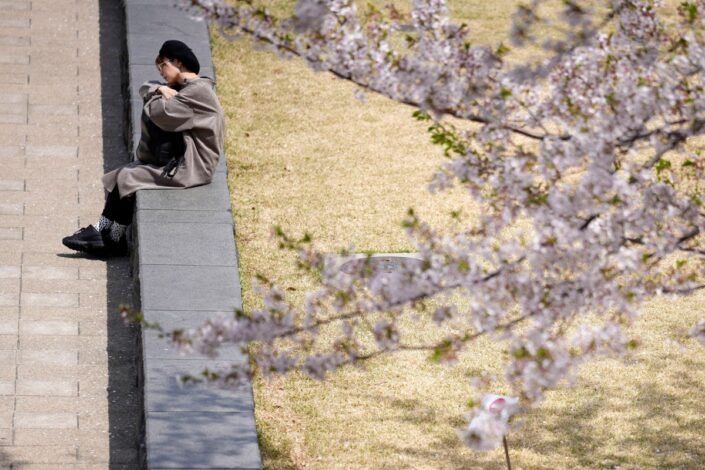
Japan’s iconic “hanami” cherry blossom picnics are facing the pinch of global inflation, with food and drink costs surging by 25 per cent since 2020, according to a private think tank report from the Dai-ichi Life Research Institute on Tuesday.
The cherished custom of “hanami” sees Japanese families and friends fill parks and riverbanks with blue tarps, lunch boxes, snacks, and drinks from late March to early April, picnicking under blooming cherry trees.
However, this “must-do” event for many Japanese is not immune to broader economic pressures. Escalating raw material costs have compelled companies to increase prices for a wide range of food and beverages, directly affecting the affordability of these traditional hanami gatherings.
To gauge the degree of pain, Hideo Kumano, chief economist at Dai-ichi Life Research, updated an index he created in 2020, using the latest data to track the weighted average price of 14 popular “hanami” items including rice balls, bento boxes, fried chicken, potato chips and beer.
The findings showed the cost of “hanami” was up 4.2% in February from year-before levels, and rose 25.0% from the base year of 2020.
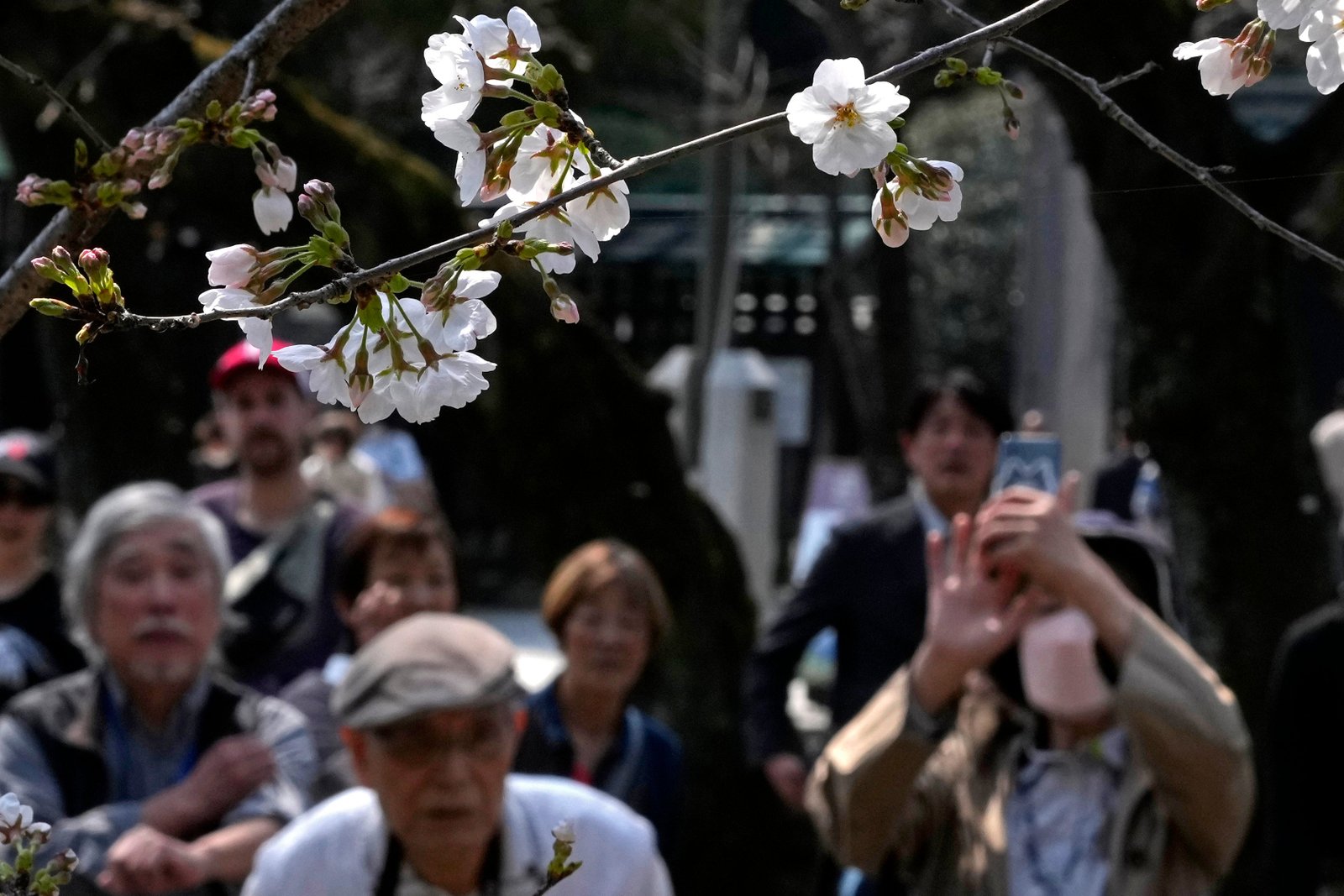
Japanese sweet buns recorded the biggest price rise, up 46.1% from 2000 levels, followed by carbonated drinks at 45.7% and rice balls at 45.0%, the index showed.
“A weak yen and rising global commodity prices are causing cost-push inflation in Japan,” Kumano said. “Hanami is clearly facing the negative effect of the global inflationary trend.”
After being mired in decades of deflation, Japan has seen inflation creep up since the Ukraine war as a falling yen and rising commodity prices boosted the cost of raw material imports.
Core consumer inflation stayed above the Bank of Japan’s 2% target for nearly four years before slowing to 1.6% in February due largely to generous government fuel subsidies.