
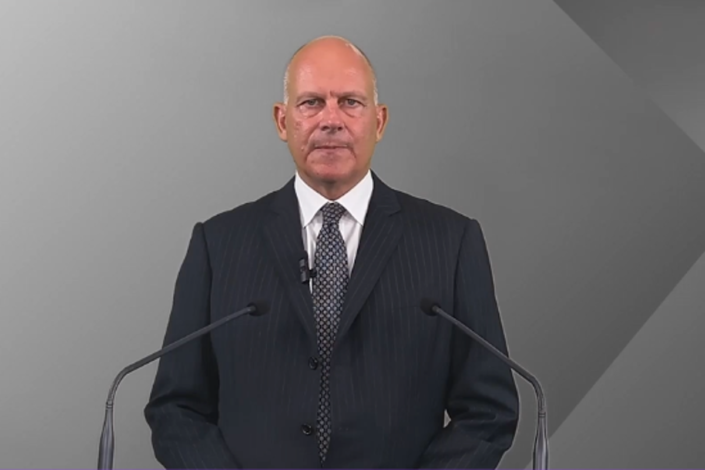
Air India has announced the resignation of its chief executive amid mounting troubles stemming from last year’s Ahmedabad crash that killed 260 people and subsequent regulatory reprimands over safety failings.
The airline said it had constituted a committee to find a successor to Campbell Wilson “in the coming months”.
Mr Wilson, a New Zealand-born former Singapore Airlines veteran who took the top job in 2022 after the Tata Group bought the carrier from the Indian government, was expected to stay put until his successor was found, Reuters reported earlier. His term was originally due to run until 2027.
Mr Wilson had informed Air India chair N Chandrasekaran of his intention to step down back in 2024, the airline said in its statement, but had continued in the role to ensure a stable transition.
Mr Chandrasekaran said he wished to “record my deep appreciation for Campbell’s leadership and contribution over the past four years” in spite of “numerous external challenges” like the post-Covid supply chain disruptions, aircraft delivery delays, and “major geopolitical and other headwinds”.
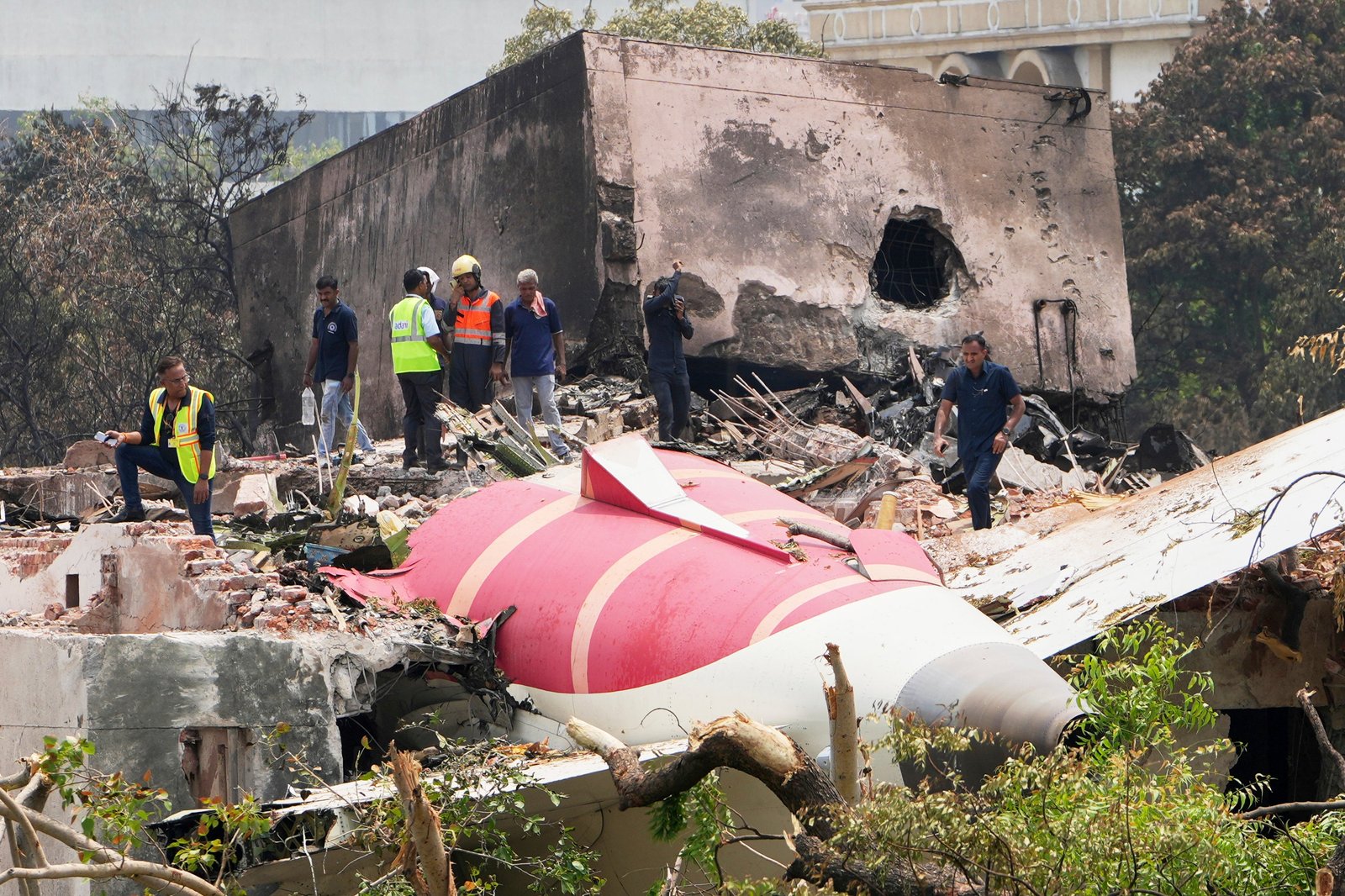
The past year has been one of the most difficult in Air India’s history. In June last year, a Boeing 787 Dreamliner crashed seconds after taking off for London, killing 241 of the 242 people on board and 19 on the ground in western India.
Aviation regulators have since reprimanded the carrier for a series of safety failings, including flying an aircraft eight times without an airworthiness certificate and operating planes without checking emergency equipment.
In December, the airline acknowledged a “need for urgent improvements in process discipline, communication, and compliance culture”.
Mr Wilson said the airline had undergone a transformation during his tenure and he believed the time was right to hand over the reins.
“Air India’s privatisation has seen the acquisition and successful merger of four airlines. It has seen the complete modernisation of systems, the launch of new physical products, and deployment of elevated service standards on ground and in the air as well as 100 additional aircraft added to the fleet,” he said.
“With these foundational blocks now settling and a brief window until deliveries from the nearly 600-strong aircraft orderbook commence in earnest from 2027, the time is right for me to hand over the reins for the next phase of Air India’s rise. It has been a true honour to play a small part in this latest chapter of Air India’s long history.”
The US-Israeli war on Iran has added further financial strain to the company’s operations. With the Gulf airspace severely disrupted since late February, Air India has been forced to reroute flights to Europe and North America over Africa, adding hours and significant fuel costs to each journey. To make matters worse, jet fuel prices have risen sharply due to the war.
Combined losses for Air India and its low-cost arm, Air India Express, reached Rs 98.08 billion (£830 million) in 2024-25 and analysts said the figure could climb to Rs 200 billion (£1.7bn) in 2025-26.
Mr Wilson’s departure leaves Air India without a chief at a critical juncture. Air India Express is also currently without a leader after its managing director left last month at the end of his five-year term.
Air India was founded in 1932 by industrialist JRD Tata before being nationalised in 1953. It returned to the Tata Group’s ownership in 2022 after years of losses under the government. Singapore Airlines holds a 25 per cent stake in the carrier.
Mr Wilson’s resignation comes days after rival IndiGo appointed Willie Walsh, director general of the International Air Transport Association, the global airline industry body, as its next CEO. Mr Walsh is due to take over on 3 August. IndiGo’s previous chief Pieter Elbers resigned after mass flight cancellations in December 2025 affected hundreds of thousands of passengers and 5,000 flights.