
For many, Glasgow conjures images of shipyards, football crowds and nights out fuelled by deep-fried food. It’s not known for its glossy city break credentials. What you probably don’t know is that it’s one of the most refreshingly inclusive city break options in the UK, with a mix of culture, nightlife and green spaces that works for many disabled travellers.
That doesn’t mean it’s a perfect city with no barriers: there are cobbles, cambered pavements, and the occasional “iconic” venue that has not caught up; but you can plan a trip that feels fun first, and a logistical challenge second.
What stands out most about Glasgow is how welcoming it is: the easy conversations to be had with staff, the way people will stop and point you towards a quieter entrance or a smoother route. Modern museums and roomy galleries help to make it more accessible, as do the parks that cut through the city with wide paths, offering fresh air. For many disabled travellers, this blend of infrastructure and attitude is what makes an accessible weekend break work.
Here’s what to expect if you are rolling into Scotland’s biggest city for the first time.
Getting around
Glasgow Central and Glasgow Queen Street, the two major stations in the city, are both step-free with staffed assistance and ramp support to board trains. Queen Street has a Changing Places toilet, which removes a major worry for anyone who needs a hoist or changing facilities.
The bus network is where the city really excels. Glasgow was one of the first UK cities to introduce low-floor buses across every route, and the frequency around the centre makes getting to galleries, parks and restaurants much easier.
The Glasgow Subway system is trickier. Only some stations have step-free access, and Strathclyde Partnership for Transport (SPT), the transport authority, advises that wheelchair users should start or finish any journey at Govan or St Enoch, where lifts are available.
Read more: An accessible guide to Edinburgh
What to do
Glasgow lives and breathes culture. Museums are free, galleries are welcoming and many venues have placed accessibility at the heart of their design.
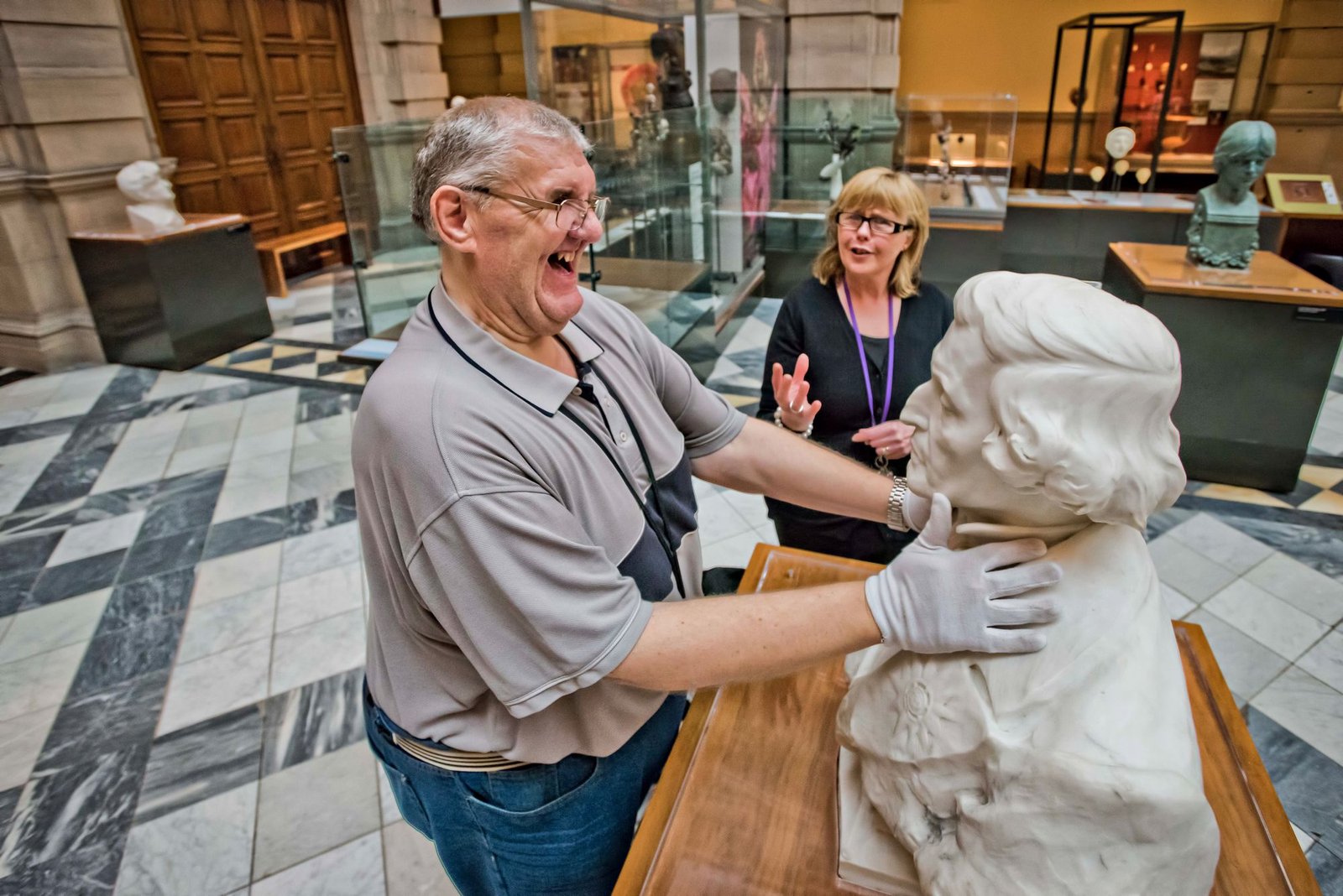
Kelvingrove Art Gallery and Museum in Yorkhill is one of the spaces the city is most proud of, and a genuine joy to explore as a wheelchair user. The building is huge, with 22 galleries spread across two floors and a collection of more than 8,000 objects on display at any one time. Despite the scale, it is fully step-free, with level entrances, lifts, accessible toilets and thoughtful layouts that make navigation easy. The space covers everything from Dutch masterpieces to Scottish history and natural science. It’s also one of the friendliest places you can spend an afternoon.
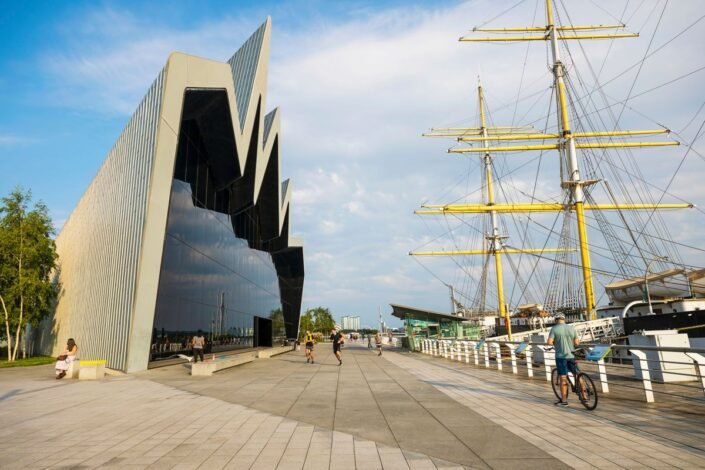
Down at the Riverside Museum on the north bank of the River Clyde, Glasgow’s transport story unfolds across wide, level, open-plan floors. The award-winning museum was designed by Dame Zaha Hadid, and features over 3,000 transport-related objects. Outside, the Tall Ship Glenlee is moored on the river, a fully-restored three-masted sailing ship built on the Clyde in 1896, and one of the few of its kind still afloat in the UK. It offers a glimpse into Glasgow’s shipbuilding past and life at sea. Accessibility is more limited, but the main deck can be reached by ramp, and the volunteer team are known for helping visitors find the best way to explore safely.
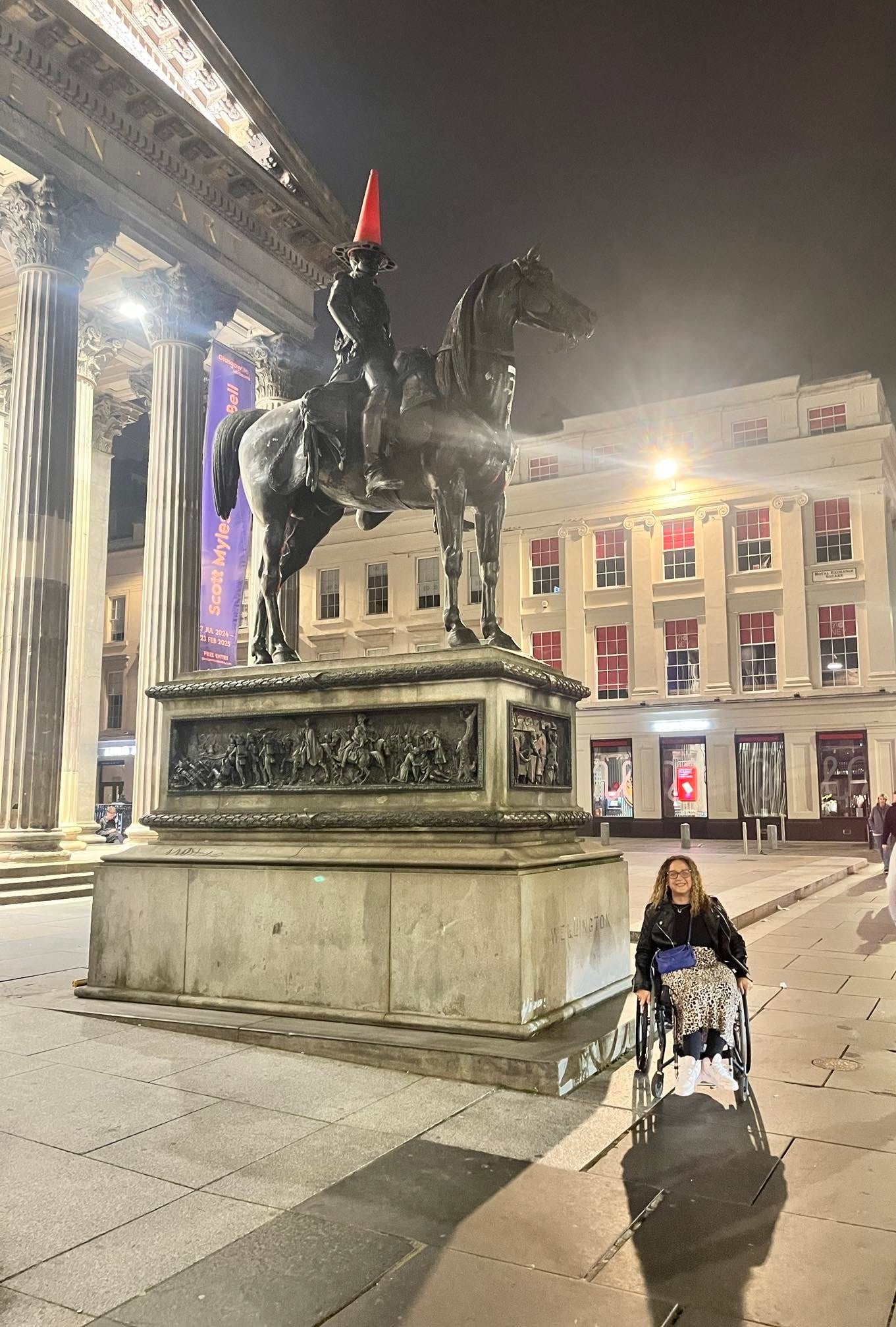
Back in the centre, the Gallery of Modern Art (GoMA) is proof that listed buildings can still work for disabled visitors. Ramps and lifts are tucked cleverly into the structure, and the atmosphere is relaxed enough that you can take your time moving between exhibitions. The programme focuses on contemporary art, with changing exhibitions that often explore social issues, identity and everyday life, alongside works from the city’s own collection. Outside, the Duke of Wellington statue topped with its now-famous traffic cone has become an artwork in its own right, and one of Glasgow’s most recognisable landmarks.
Kelvingrove, Riverside and GoMA are all part of Glasgow Life’s autism-friendly programme, which includes sensory kits and visual storyboards for some venues. If you are travelling with neurodivergent children or adults, that extra information can make visits much less stressful.
Going out
.jpeg)
Glasgow’s reputation for live music and comedy is well deserved, but great venues do not always mean accessible ones. Anyone who has looked up a favourite spot only to find it up two flights of stairs with no lift will recognise how inconsistent things can be.
The OVO Hydro is a reliable choice for accessible live music, hosting major touring artists, arena concerts and global acts, from chart-topping pop stars to international comedians. With accessible seating options, step-free routes and clear access information, it is one of the easier large venues to navigate.
Read more: My child has additional learning needs — this is how we travelled on our first holiday abroad
For smaller gigs, Saint Luke’s in the East End balances character with a workable layout. Set in a converted church, it hosts a mix of indie bands, emerging artists, folk acts and club nights. Level entry, reserved wheelchair areas and accessible facilities make evenings there feel smooth and enjoyable.
It is worth noting though: some famous Glasgow venues – including King Tut’s Wah Wah Hut – are still up stairs with no lift, and their own access information states that they are not wheelchair accessible. Before you book a gig or comedy night, it’s worth checking the venue’s access page and looking for recent reviews.
If you prefer a cocktail to a crowd, the Corinthian Club in the Merchant City combines ornate interiors with lifts to most floors, accessible toilets and a mix of bars and dining areas. Entry is via a step-free or ramped route at street level, and staff can advise on the most accessible spaces.
Enjoying the outdoors
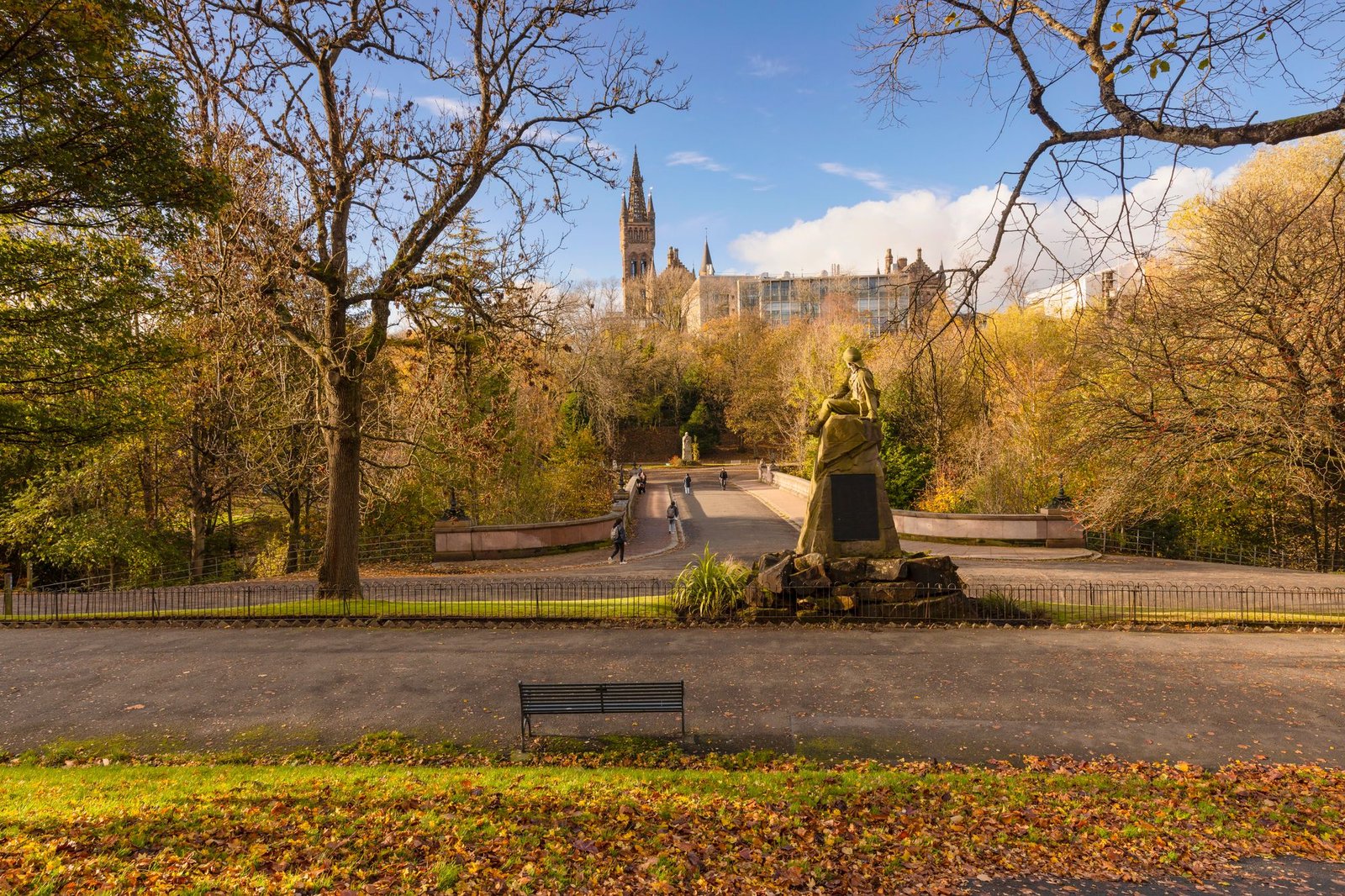
Part of Glasgow’s appeal is how quickly you can swap city streets for greenery.
Kelvingrove Park, just west of the city centre between the University of Glasgow and Kelvingrove Art Gallery and Museum, stretches across 85 acres of green space along the River Kelvin. It has a mix of slopes, but also smooth riverside paths where you can move comfortably and enjoy the greenery at your own pace, with plenty of space to pause, sit and take it all in.
Further into the West End, the Glasgow Botanic Gardens offer a quieter, more contained escape. Set along the same river, the gardens combine open lawns, woodland paths and a series of glasshouses, with the Kibble Palace at the centre. This large Victorian glasshouse is filled with towering tropical plants, sculptures and wide, level paths, creating a calm, accessible space that feels a world away from the city streets outside.
Down by the River Clyde, sections of the Clyde Walkway and the Millennium Bridge have been praised by wheelchair users for good surfaces and wide paths, with enough room to chat as you move. This is where the city’s mix of industry and regeneration is most obvious, with glossy new buildings on one side and echoes of shipbuilding on the other.
Where to eat
Merchant City is one of my favourite areas in Glasgow to eat out, with flatter streets and more modern venues. Merchant Square is the heart of it, bringing together a cluster of restaurants under one covered courtyard, with high ceilings and plenty of space to move around. It’s a good option if you want flexibility, with everything from casual street food to sit-down dining in one place.
Within the square, Momo Hub Mother Nepal stands out for quick, flavour-packed dishes in a bright, open setting, while nearby options offer everything from cocktails to more traditional menus. For something more polished, just outside the square is The Spanish Butcher on Miller Street, which pairs a modern, spacious layout with a menu focused on Galician beef and Mediterranean flavours.
Getting there
Glasgow Central and Glasgow Queen Street are the city’s two main stations, both with step-free access to all platforms, lifts connecting the concourse and platforms, and staffed Passenger Assist to support boarding and alighting. Glasgow Queen Street also has a Changing Places toilet.
Travel via the West Coast Main Line with Avanti West Coast from London to Glasgow Central, which has wheelchair spaces, accessible toilets and boarding ramps available through the Passenger Assist service. The overnight Caledonian Sleeper also runs from London to Glasgow, with accessible cabins and onboard assistance.
Where to stay
Radisson Blu Hotel Glasgow is a convenient city centre base, with accessible rooms, adapted bathrooms and step-free access to popular areas. It sits just opposite Glasgow Central, making arrivals and departures straightforward, and is an easy roll to shops, restaurants and key attractions.
Read more: The best boutique stays in Glasgow