

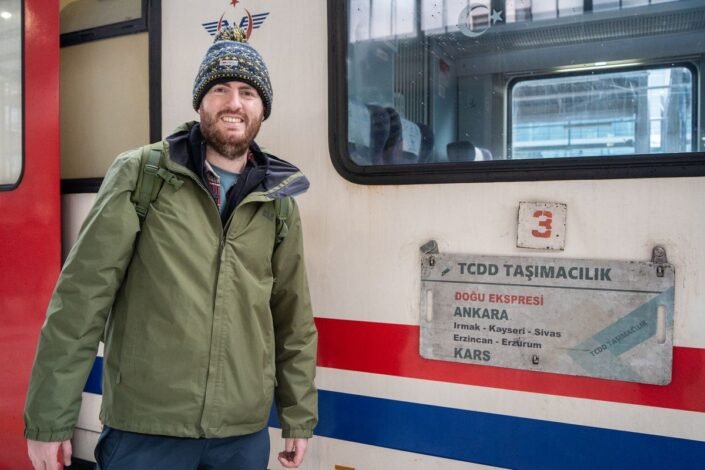
The sun was setting over Ankara. It was a chilly evening in mid February, and passengers were taking selfies next to the blue, red and white wagons of the Dogu Ekspresi, or the Eastern Express. A conductor checked names off a clipboard as we prepared for our 800-mile journey eastwards to the city of Kars.
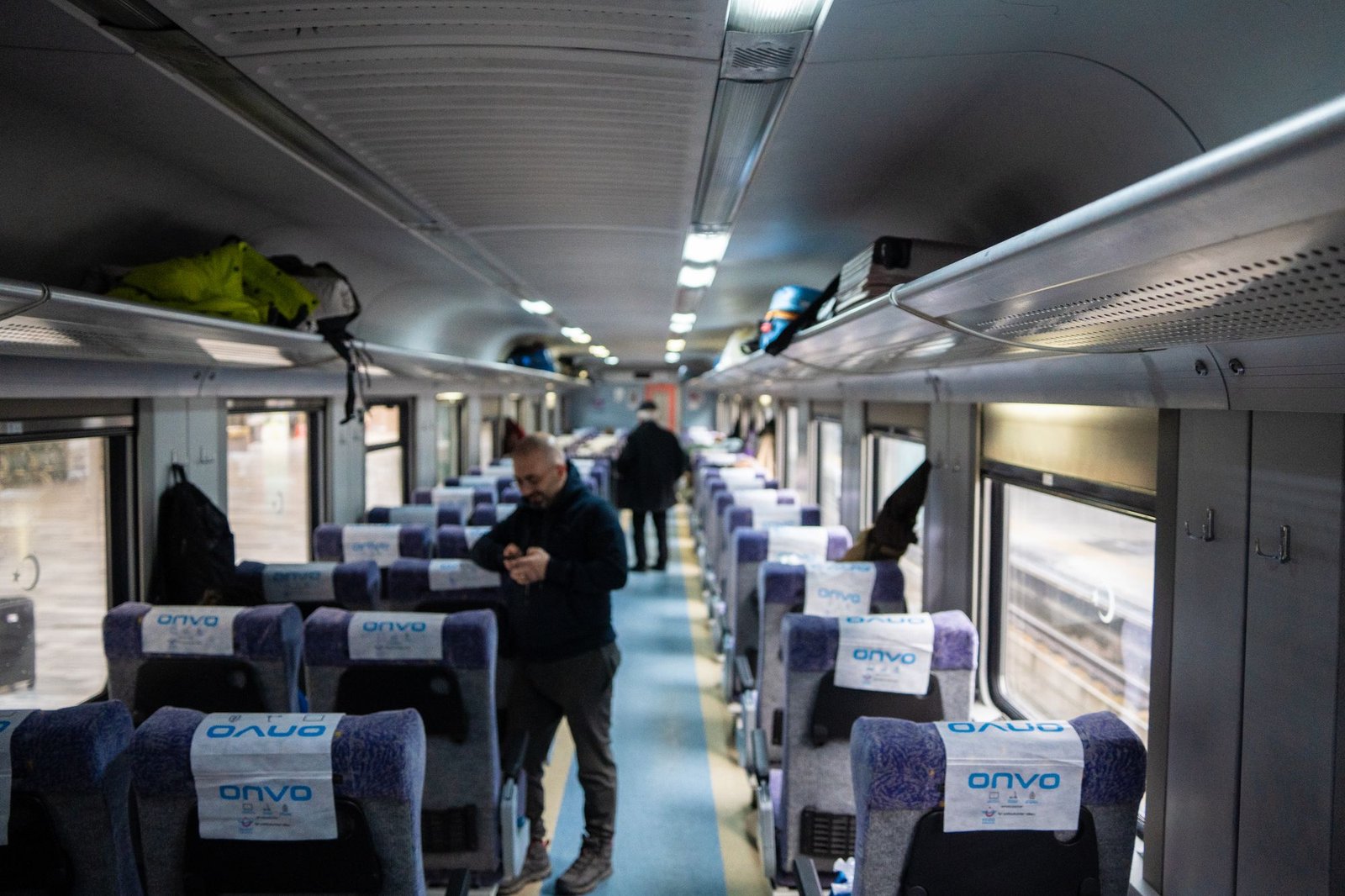
At 26 hours, this is Turkey’s longest train ride. Departing Ankara at 6pm in the evening, we were scheduled to arrive in Eastern Anatolia at 8pm the following day, if it was on time – which the ponderously slow Dogu Ekspresi rarely is. I clambered aboard, threw my duffel bag in the overhead rack and settled in for the long haul. Further down the carriage, a Turkish tour group had entered holiday mode, unpacking a picnic, stringing fairy lights across windows (a tradition on long-distance Turkish trains) and cracking open a bottle of wine before we’d even set off.
In recent years, the Dogu Ekspresi has shot to Instagram fame thanks to the spectacular gorges and valleys en route. In winter, you trundle through snow draped scenery. In summer, the sun glints off minarets rising above the parched Anatolian plateau. This inspired Turkish State Railways to launch a dedicated tourist train (Turistik Dogu Ekspresi), allowing passengers to hop on and off en route. It sounds ideal, but it is now a victim of its social media success. Tickets are elusive, with travel agents buying them in bulk within minutes of release.
.jpeg)
I couldn’t score a berth on the tourist train and instead found myself travelling on the year-round local service, which departs daily. The local service has at least one sleeper wagon, with four-berth, gender segregated sleeping compartments (from 1475 TL / £25 per person).
For some reason, however, the prized sleeper cabin berths are only released 24 hours before departure and sell out quickly. I settled for a humble seat, rather than a cabin, for the mammoth journey (which can be booked 60 days in advance). At 855 TL (£15), they’re a bargain and far cheaper than berths on the tourist train, which start from a whopping 12,000 TL (£200).
I booked in advance on the Turkish State Railways app, but seated tickets were available to purchase right up until departure. If you’ve got time, you can even piece together your own itinerary. When I’d made this same journey a few years before, I’d spent a night in Erzurum, where I explored medieval Seljuk mosques, madrassas and caravanserais (fortified inns) on the route of the Silk Road.
As we pulled out of Ankara, I caught my first glimpses of mountain peaks in the dying light. Within an hour, it was pitch black, so I made my way to the buffet wagon to sample Turkish State Railways’ onboard culinary offerings.
“Corba, corba, corba,” shouted the conductor-turned-chef manning the wagon, as the smell of soup drifted from the kitchen. Aside from the hearty and surprisingly tasty lentil soup, culinary offerings were slim, and I was glad I stocked up on borek (stuffed pastry) in Ankara.
Luckily for unprepared travellers, hospitality is deeply ingrained in the Turkish psyche.
“Merhaba, monsieur,” said a polite elderly lady in a colourful headscarf after I’d returned to my seat. She poured me a hot cup of tea, then thrust several baked pastries into my hands. Her family and their luggage were sprawled across the seats behind me, and via Google Translate, I established they were heading home to Kayseri, a city somewhere down the line.
Read more: The best hotels in Bodrum for holidays overlooking the sparkling Aegean Sea
Earplugs and eye masks are essential on this journey. The lights weren’t dimmed once and it’s a sleepless night as the Dogu Ekspresi stopped at every rural station between Ankara and Kars. At around four in the morning, my new companions jumped off in Kayseri. Just as I’d drifted off again at 6am, a ticket inspector woke me again.
At 9 am, I realised I was missing the best part of the journey. As the sun rose higher, we trundled along the banks of the Euphrates River. At increasingly high altitudes, Anatolia was now draped in a thick blanket of snow and ice. The buffet wagon was a hub of excited travellers as the landscapes became vaster and the mountain peaks taller.
An instant Nescafé woke me from my slumber as we navigated deep, winding gorges and stopped at lonely stations. Just before lunchtime, the conductor even began taking kebab orders. They didn’t cook them on board, but picked up takeaways at the next station.
Read more: What is Interrailing? Everything you need to know about passes, routes and more
Traditionally a local service, the Dogu Ekspresi often has a celebratory feeling given it’s increasingly frequented by Turkish tourists wanting to explore the east of their home country. One member of the tour group I’d seen cracking open wine at the start of the journey told me they were visiting Kars, our final destination, to try its famous cheese. They also wanted to see the ruins of Ani – a medieval Armenian capital now in ruins near the border – and were excited to visit Lake Cildir, one of Turkey’s largest, which they hoped was still frozen over.
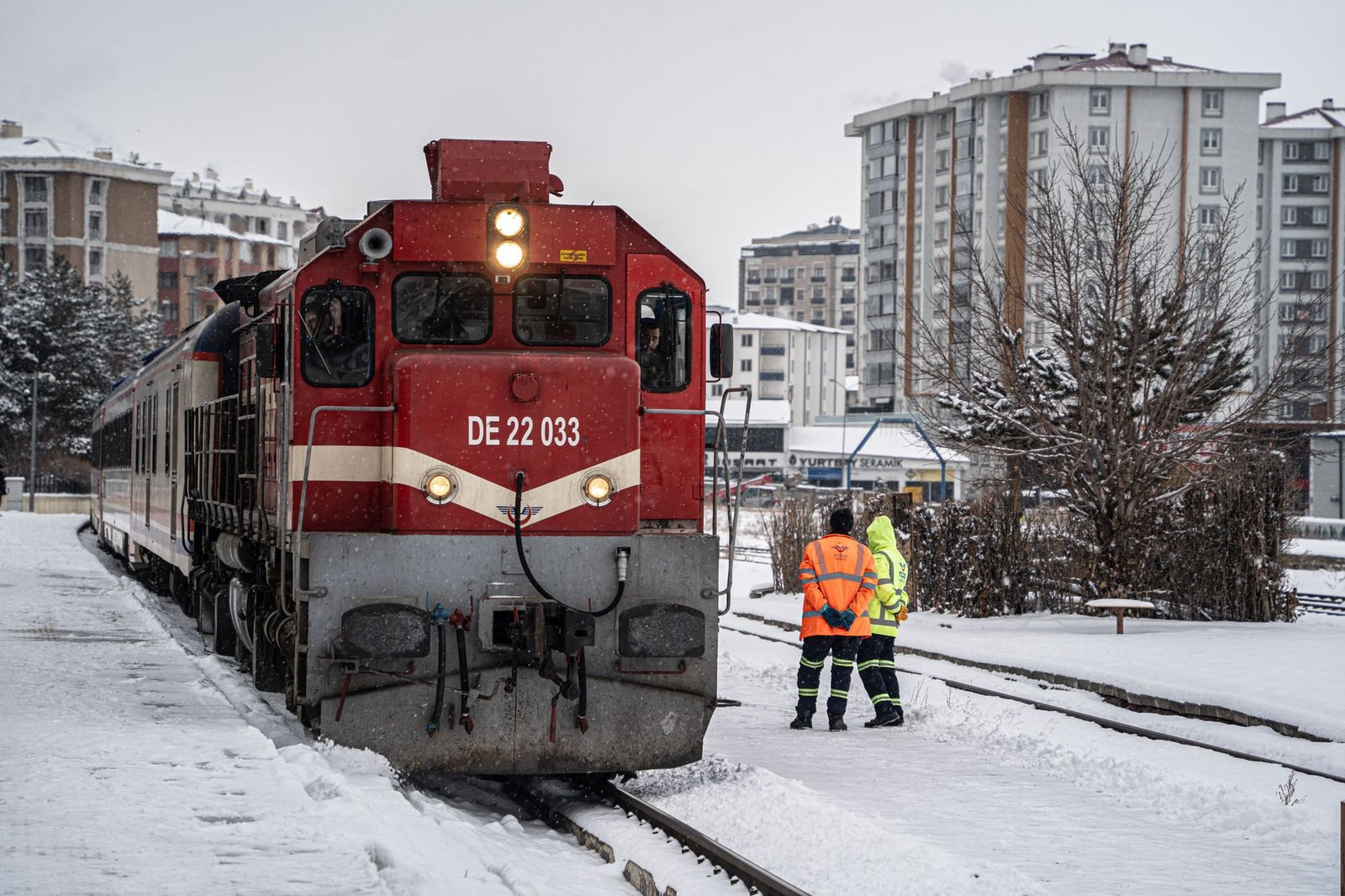
When we reached Erzurum, around 560 miles east of Ankara, the sun had set in a blaze of fury over the snowy mountains. We were hours behind schedule and after the final four-hour leg, we pulled into the station in complete darkness. Kars sits at an altitude of 1775 metres. At midnight, it was -17 degrees Celsius.
The Russians occupied Kars for several decades in the 19th century, building the station and introducing some rather unique dairy production techniques to the city. Over the next two days, I enjoyed the famous Kars breakfast (complete with seven types of local cheese) and joined a Turkish-speaking tour to Ani and Lake Cildir. Kars has long been a frontier city, and today, the last frontier of Turkish tourism in the country’s far eastern province is a worthy end to the Dogu Ekspresi.
How to do it
Pegasus flies from London to Ankara via Istanbul from £60 each way. Flight time is approximately seven hours.
The Dogu Ekspresi departs Ankara Gar at 6pm daily, taking 24-30 hours to reach Kars. Tickets can be booked on the Turkish State Railways website or app, or via a local train booking agent such as Amber Travel. Seats cost 855 TL (£15), couchettes from 1475 TL (£25).
The tourist train version of the Dogu Ekspresi departs Ankara at 1.55pm on Mondays, Wednesdays and Fridays, from December to March. Sleeper berths start from 12,000 TL (£200).
Where to stay
In Kars, stay at Hotel Kent Ani (doubles from £46, including breakfast). A family-run hotel 15-minutes from the train station, the friendly team can book you onto day tours visiting Kars Cheese Museum, the Unesco World Heritage Site of Ani and Lake Cildir (Turkish-speaking tours only, from 750 TL/£13pp).


