


A new coastal path named after King Charles will be the longest of its kind in the world once completed, stretching over 2,700 miles around England.
The King Charles III England Coast Path is a walking route that will follow the entire coast of England, as new public access legal rights will allow walkers to traverse some places they never could before.
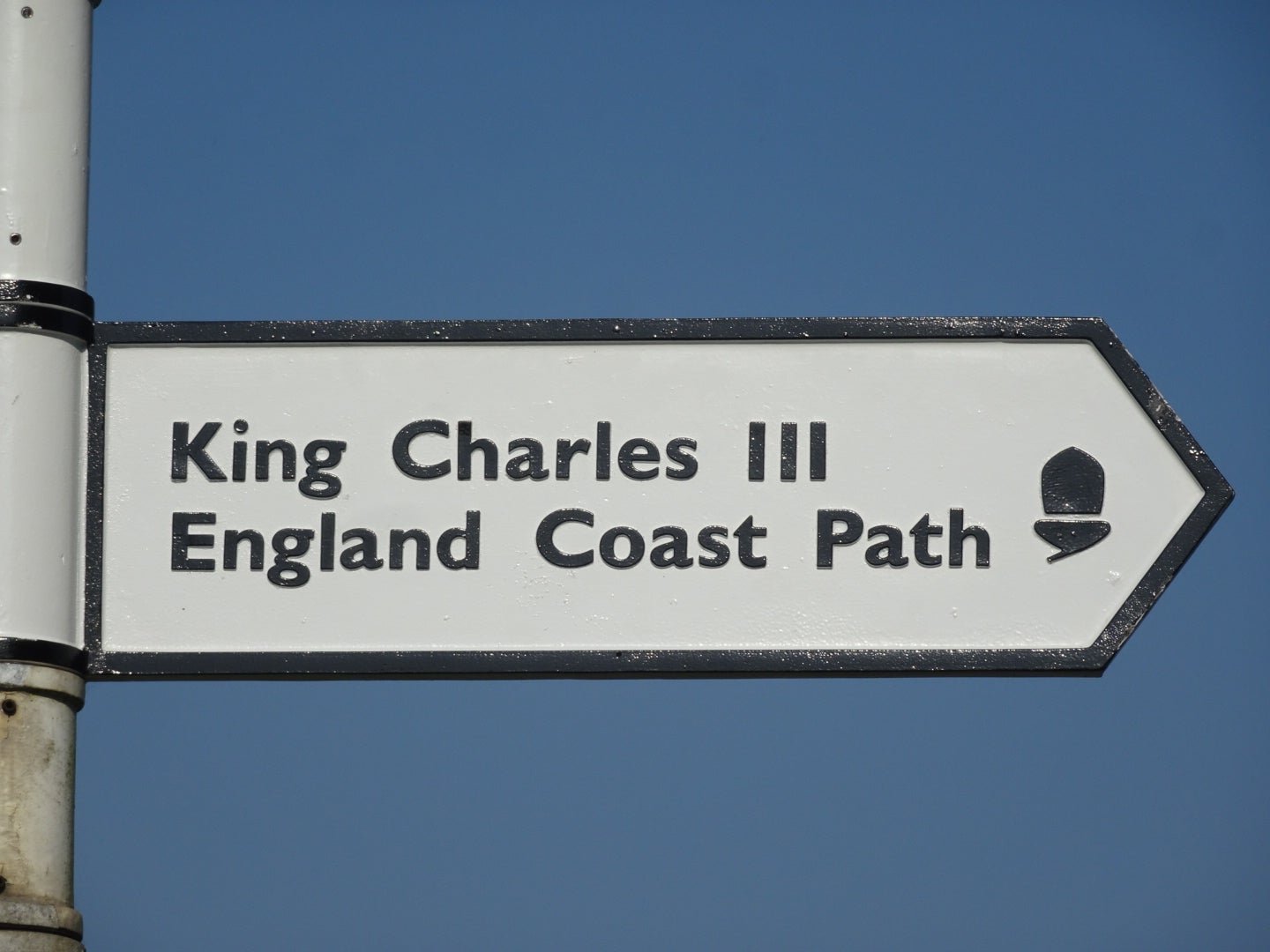
The path is being opened in sections in collaboration with local authorities across the country, and will be signposted with the distinct National Trails acorn symbol and directional arrows.
Authorities have also created a new area called the coastal margin, which is the land between the path and the sea, typically including the foreshore, beaches, dunes and cliffs.
People will have legal access to walk, use mobility aids, climb or picnic within the coastal margin. These access rights do not include camping, cycling or horse riding.
While many coastal areas are already open to the public, there are some beaches and dunes along the path that walkers have never been able to access before.
Not all land along the coastal margin will be open to the public, as there are private homes, gardens and areas restricted to protect nature.
Along the trail, walkers may also stumble upon Roman ruins, nature reserves, Blue Flag beaches and coastal communities, including those with important maritime and industrial heritage.
Much of the coastal path is already open, and some parts will already be recognisable to keen walkers, such as the well-established South West Coast Path that runs 630 miles from Somerset to Dorset.
As of February 2026, over 2,000 miles of the path are complete and open for public use, while 556 miles are currently being worked on.
A final 78 miles is awaiting a government decision to complete the entire path.
The coastal path that connects England’s coastline into one large walking route has been 16 years in the making, led by Natural England, the government’s adviser for the natural environment in the country.
In 2024, the project was renamed as The King Charles III England Coast Path to commemorate the coronation of the king.
The consolidated path will come with improvements to existing access to the coastline, including clearer signage, better accessibility on parts of the path and a “roll back” rule that allows the path to be altered if it’s affected by erosion or slips.
Read more: The most scenic walks in the UK, from Cornwall to the Scottish Highlands