

As the allure of exploring new destinations remains strong, many beloved holiday spots face escalating threats from pollution, environmental degradation, cultural heritage damage and over-consumption of natural resources.
With World Earth Day on 22 April, travel experts are offering crucial advice on how to make your next getaway more environmentally friendly, ensuring memorable experiences don’t come at the planet’s expense.
One of the most impactful changes travellers can make begins before departure. Ruth Woodall, sustainability lead at B Corp-certified operator Inntravel, highlights the carbon benefits of staying closer to home.
1. Book a trip closer to home
“Staying closer to home [rather than going abroad] will have a lower carbon impact,” she explains. “There are so many amazing places within the British Isles that people often overlook because they’re looking for international trips… I think it’s all about getting that balance right of exploring local places and then making those overseas trips really count.”
2. Go on fewer trips, but make them longer
Woodall further advises opting for fewer, longer holidays. “Going on fewer but longer holidays will also help reduce your carbon impact,” she states. “The biggest carbon impact of a holiday is usually the travelling there and back, so going on one big three-week holiday a year rather than seven weekend breaks is much better for the environment because it means you’re only travelling away and back once.”

3. Consider slow travel options
Embracing ‘slow travel’ is another key recommendation. “Choosing to travel by train or a coach to your holiday destination will have a lower carbon impact compared to flying, and there’s a lot of places across Europe that you can get to within a day by train,” Woodall notes. Miranda Seymour, a luxury travel advisor at Travel Counsellors specialising in responsible travel, concurs, emphasising that comfort need not be sacrificed.
“There are so many amazing train trips that you can do, and lots of high-end luxury train trips have been set up all over the world,” Seymour says. She recounts assisting a client who wished to travel to Corfu without flying, arranging a scenic train and ferry route. “It obviously took a lot longer than a flight, but it was a very scenic route and they had a lovely time. These things always take a bit more thought and planning and might require help from a travel advisor.”

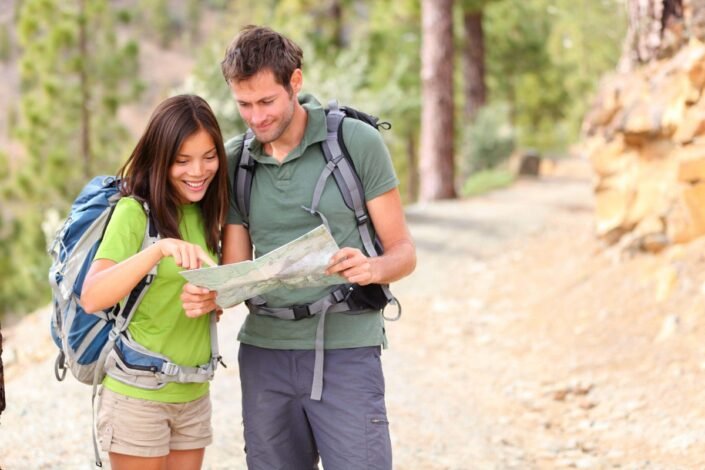
4. Walk or use public transport when you get there
Upon arrival, conscious choices continue to make a difference. Woodall suggests prioritising walking or public transport. “You can instantly reduce the carbon footprint of your holiday by choosing to walk or use public transport, rather than booking a transfer everywhere during your trip,” she advises. “You will also be much more immersed in a community or a region when you slow down and see it by foot.”

5. Research locally run accommodation options
Supporting local economies is paramount. Seymour recommends researching locally run accommodation over large international chains. “Consider staying at a smaller, locally owned hotel or a boutique property rather than one of the big international chains,” she suggests.
She encourages asking pertinent questions before booking: “For example, you could ask: are you employing local people? Are you using produce that’s grown locally? Are you supporting local communities?” Seymour adds, “You want your money to stay local rather than just going overseas to a global company. The easiest way to do that is to find a smaller, locally owned hotel, as they’re much more likely to be looking after the environment and be working with local businesses and people that live there.”
6. Pack reusable items
Minimising waste is another simple step. “Pack a reusable water bottle, a reusable straw and a tote bag so you can avoid using single-use plastics,” Seymour advises. “Also, instead of buying small travel toiletries, consider decanting shower gel and shampoo from the big bottles you have at home.”
7. Eat in local restaurants
Similarly, dining locally ensures money benefits the community. “The best thing you can do is step outside the resort and go where the locals are eating,” Seymour recommends. “Spend money in the local restaurants and try the local produce.”

8. Support local tour guides and excursions
Further extending local support, travellers should seek out local tour guides and excursion providers. “Research local tour guides and excursion providers so you can make sure that your money is going directly to the people in the community,” Seymour states. She cites an example from Jaipur, where a supplier works with the Pink City Rickshaw Company, a non-profit empowering low-income women through e-rickshaw tours. “This is an unforgettable way to explore Jaipur, known as the Pink City, and directly support local women in the process.”
9. Get involved in local projects
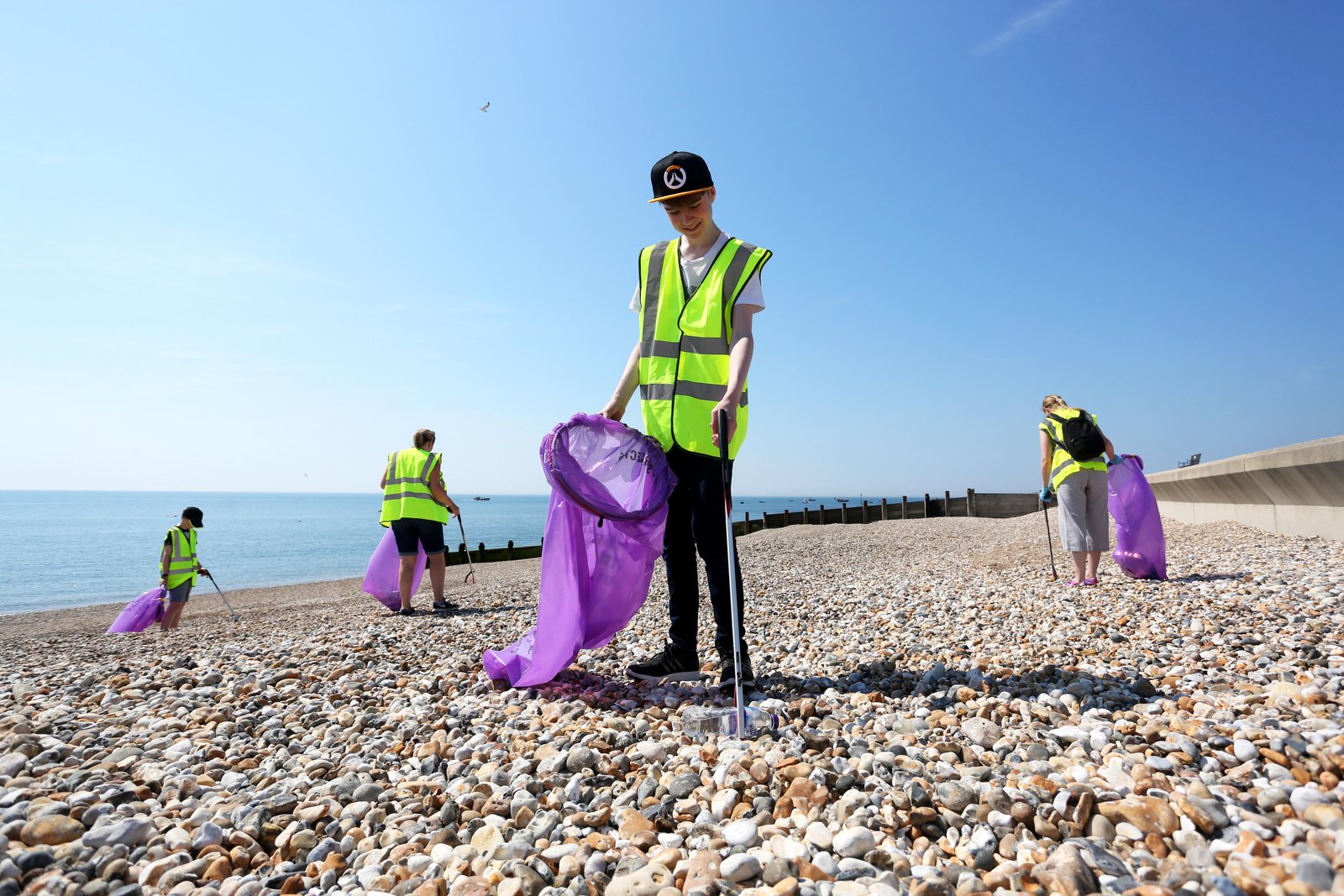
Finally, travellers can actively contribute to their chosen destination. “Think about how you can make a positive impact on the destination you are visiting,” Seymour advises, urging visitors to “leave somewhere better than how you found it.” With some research, numerous local projects can be found that benefit either the environment or local residents. “The Happywhale project, for example, allows anyone to submit photos of marine mammals to help scientists track and study them,” Seymour explains. “Spending a couple of hours taking part in a beach clean up during your holiday is another great way to make a difference.”
By integrating these thoughtful practices into holiday planning and execution, travellers can enjoy enriching experiences while actively contributing to the preservation of the world’s precious natural resources and cultural heritage, ensuring these destinations remain vibrant for generations to come.