

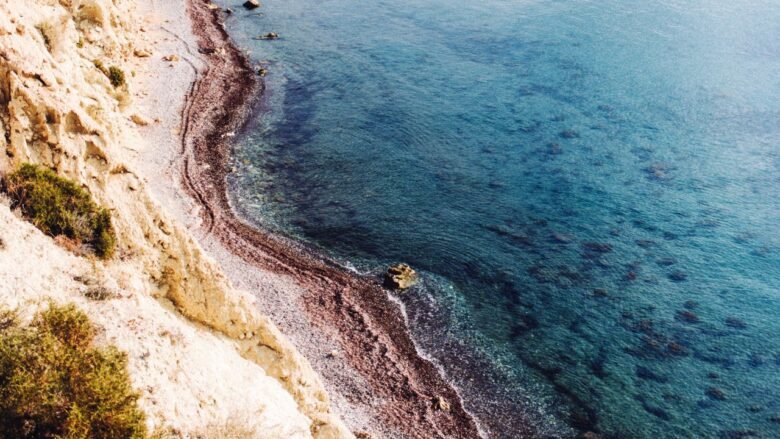
The marble plaque is improbably specific. The Greek inscription, from 2013, reads: “On this beach, on 9 January one thousand years ago, Aphrodite stepped onto the shores of Pafos.” A hulking rock formation marks the spot where the Greek goddess of love is said to have emerged off the coast of Cyprus in a flurry of sea spray and spume, posing naked, at least according to Botticelli’s 15th-century rendering, on a giant scallop shell. She has long demanded deference on this sun-hardened island at the far-eastern edge of the Mediterranean—the ancient temples at Palaipafos, Amathous, and Kition, where she was once worshipped and has been downgraded over the ages into the bare-chested Aphrodite statuettes sold in souvenir shops across the land. As the sun rises over distant hills (slow and unhurried, as is the Cypriot way), throwing her birthplace into relief against a gray-hazed horizon, I cast a silent challenge to the notoriously capricious deity: Can you help me fall back in love with this place I once called home?
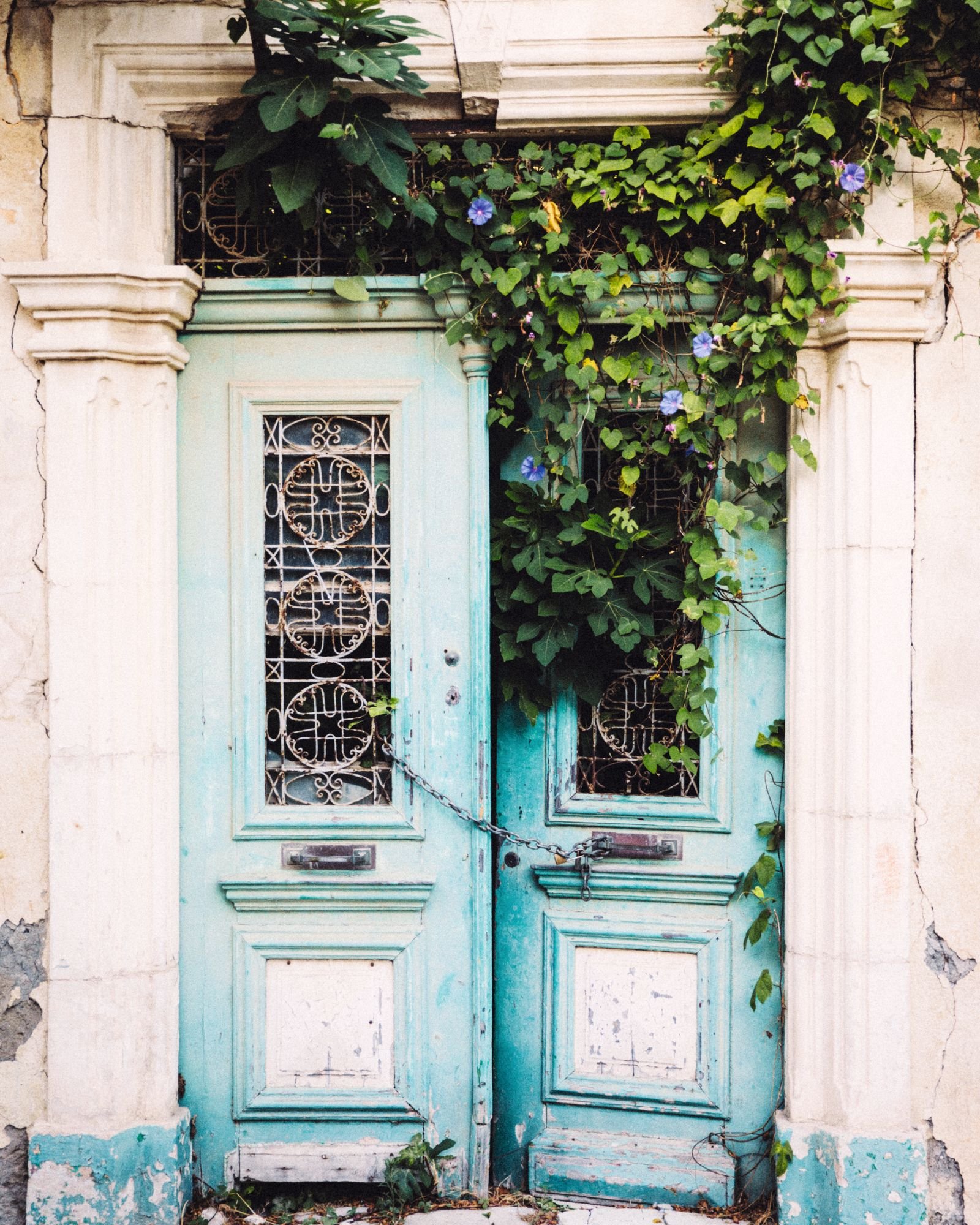
I grew up not far from here, in Cyprus’s second-largest city, Lemesos, or Limassol. My English father and Kenyan Indian mother arrived in the late 1970s and never left. A saucepan-shaped mass 140 miles long and 62 miles wide, Cyprus is the third largest island in the Med, after Sicily and Sardinia. But by my mid-20s, it had started to feel small. Like I didn’t quite belong. Surrounded by sea, I grew restless, even resentful. So I left for Dubai, an inconsequential footnote in a long history of outward and inward migration.
Cyprus’s strategic location has attracted plenty of unwanted admirers over the ages: the Assyrians, Egyptians, Persians, Romans, Arabs, Byzantines, Crusaders, Venetians, Ottomans, and British all passed through, and then, in 1974, Türkiye invaded and continues to occupy 36% of the island, rendering Lefkosia, or Nicosia, one of the last remaining divided capitals in the world, forever altering the Cypriot psyche. The result is a knotty, fractured identity. Cyprus is a member of the EU but not quite European. It is Greek-speaking and -leaning but not part of Greece. Though many will try to deny it, it feels undeniably Middle Eastern, closer geographically to Beirut or Amman than Athens or Thessaloniki.