
In the pantheon of powerful trades unions, French air traffic controllers rank above all: a few hundred people can wreck the journeys of millions of travellers by walking out. The UK has no unions with a match for such might. But as the two-year pay dispute between the Aslef train drivers’ union and government-directed rail firms showed, a relatively small number of workers can bring much of the railway to a halt.
“There’s a perception that we’re always on strike, but that’s far from the truth,” says Dave Calfe, who took over as Aslef general secretary this year.
“The previous national dispute before this one was in 1982. Striking is not something we do lightly. Most of our time is spent working with the industry: sitting on working groups, introducing new technology, improving working practices.”
One working practice that is a red line for the new union boss is any extension of “driver-only operation” – the arrangement in place on thousands of trains that run each day across Britain.
The practice was agreed in the 1980s by Aslef, but Mr Calfe says times have changed: “We believe every train should have a second safety-critical person on board. Expecting a driver to manage up to 1,000 passengers alone, possibly in the middle of nowhere, is unreasonable. A second person improves safety and passenger welfare.
“This isn’t just about emergencies. Passengers feel safer when staff are visible on trains. There are clear operational and safety benefits.”
Passengers waiting for the East West line to start running between Oxford and Milton Keynes are currently getting no benefits from the expensive new railway. The train operator, Chiltern, has driver-only operation on most of its network, and expects to do the same on the new route. With taxpayers paying billions of pounds to keep trains running, keeping costs down is imperative.
“Our view remains consistent: every train should have a second safety-critical person,” says Mr Calfe.
One policy on which Aslef may have more in common with the Labour government is in eliminating “open access” rail operators.
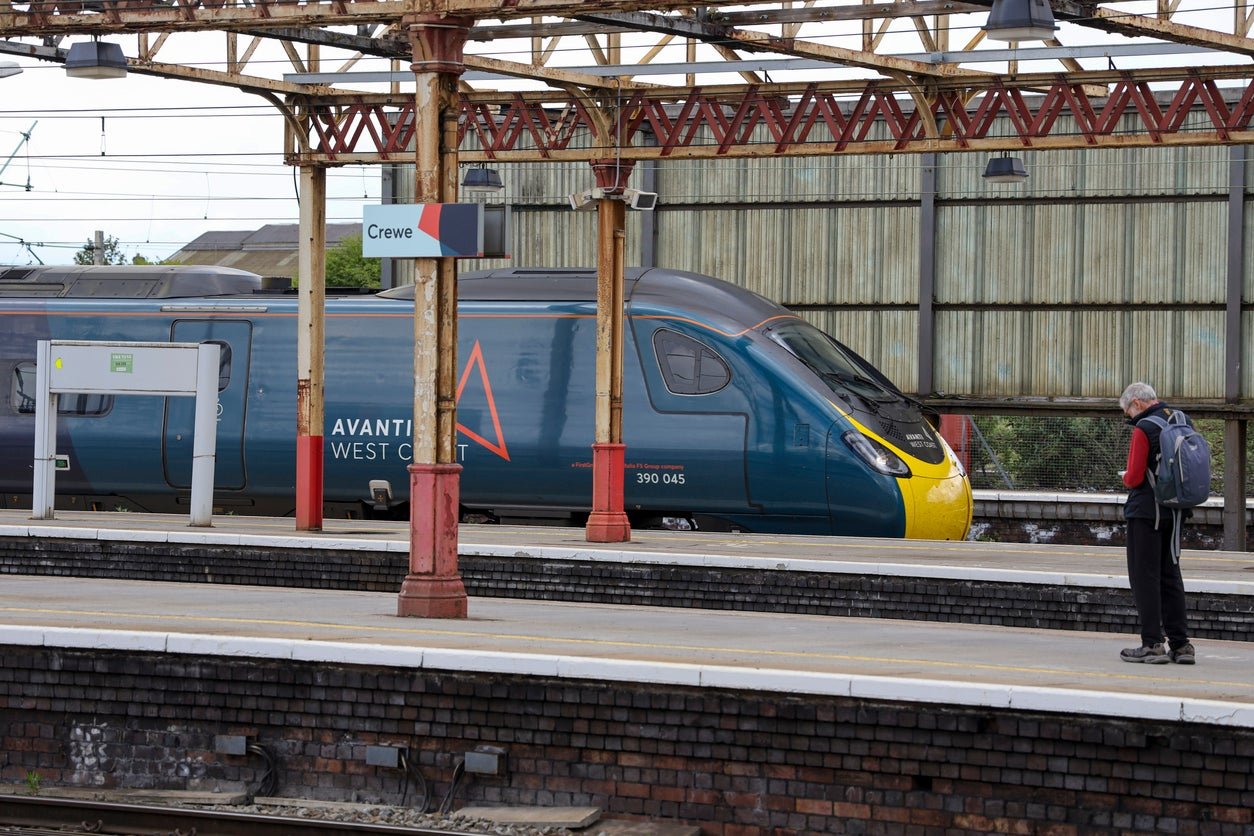
These are the private companies that mainly run trains on routes that but otherwise have limited or no direct service to and from London: Grand Central to Sunderland and Bradford, Hull Trains and, coming soon, Lumo from Stirling. I believe they deliver valuable connectivity and competition.
But Dave Calfe has a different view: “Many communities lost services during privatisation. We believe all rail services – including open access – should be nationalised. The services themselves should remain, but within a unified public system.”
The transport secretary, Heidi Alexander, also has reservations: about private operators taking revenue that would otherwise go to state-run companies while not paying their fair share of infrastructure costs, as well as adding pressure to an already overstretched network.
As the government takes over more and more train operators, some interesting negotiations lie ahead. Aslef has negotiated brilliantly over the decades, increasing drivers’ earnings well ahead of average wage rises. Ministers will face demands for levelling up all drivers to the highest paid cohort – and also paying cash for Sundays. Antiquated agreements mean that Sunday is often not part of the working week.
The Aslef boss says: “A modern seven-day railway shouldn’t rely on overtime. That’s not sustainable for a modern railway. Sunday travel today is comparable to commuter volumes in some areas – very different from 40 years ago.”
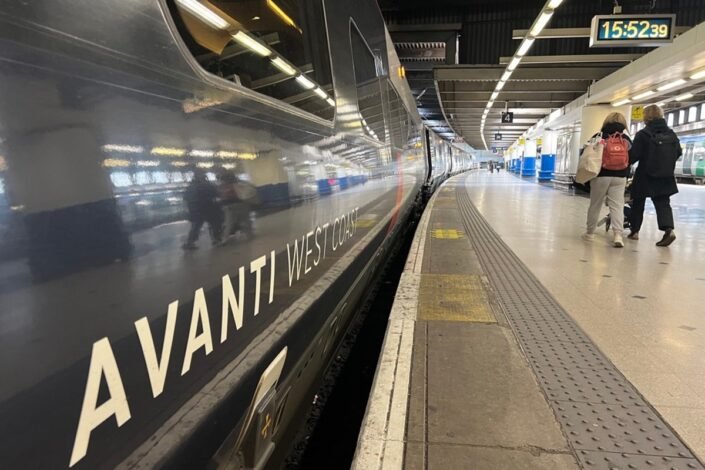
Dave Calfe is filling the considerable shoes of Mick Whelan, who served as general secretary for 15 years. The outgoing boss was among a welcoming party waiting on the platform at London Euston when his successor drove his final Avanti West Coast train from Birmingham.
“It was strange. I was taken aback by how emotional it felt – that sense of closing the door after 41 years.”
Since then, Dave Calfe has been meeting managing directors of the train operators. “We may have different views on what success looks like, but we all want a successful railway.” He welcomes the creation of Great British Railways – which is due to take control of tracks and trains from 2027 – as long as civil servants and ministers keep their distance: “The railway should be run by rail experts, not micromanaged by the Department for Transport.”
Read more Plane and Train Talk from Simon Calder here