
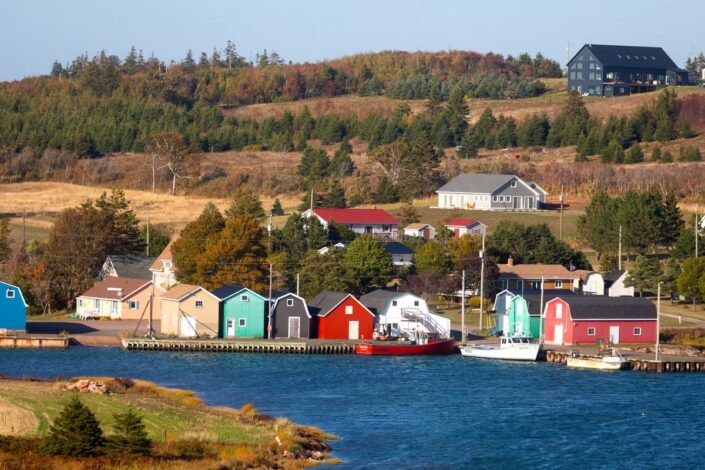
Wild and wonderful Prince Edward Island (PEI), just a short hop off the Canadian mainland, is a place of lobster suppers, red foxes, Anne of Green Gables, red sand beaches and a coastline as dramatic as it is beautiful. And yes, there is a royal link: the island was named after Prince Edward, Duke of Kent — father of Queen Victoria — who served in Halifax and Quebec during his British military career. Though it consists of over 230 islands and islets, only the main island is significantly inhabited.
History and colonial past aside, it is a haven for sea-lovers, kayakers, birdwatchers, and marine explorers, especially around the less-developed eastern and northern shore. It also helps if you like potatoes as Prince Edward Island is the biggest grower per square acre – a quarter of all spuds in Canada come from there. You’ll find them fried, mashed, baked… and yes, even dipped in chocolate for the truly adventurous. For Europeans seeking something off the beaten track, the island feels like a hidden treasure — though most holidaymakers you’ll meet are Canadian. A gentle arc of land cradled by the sparkling Gulf of St. Lawrence, it is a place where red cliffs meet golden beaches and life moves at its own unhurried pace.
Packed with charm, history and natural beauty, a good place for first time visitors to start is the capital, Charlottetown – known as the “Birthplace of Confederation” because it hosted the Charlottetown Conference in 1864, where the idea of Canada was born. Ironically, PEI itself only joined nine years later in 1873. Today, cobblestone streets lined with cafés, boutiques, and music venues give the city an inviting, village-like feel.
Read more: Forget New York or Chicago – the best North American city is in Canada
The waterfront buzzes with life at Peakes Quay Marina. Here, food shacks dish out island favourites: The Chip Shack’s poutine takes full advantage of the home grown spuds to make the local treat of heart-stopping crispy golden fries, gooey melted cheese served up with gravy on top. The Shell Shack next door helpfully provides ice-cold beer along with great tips for where to get the best seafood on the island. This is fish heaven. PEI also produces some of the world’s finest oysters, including the famous Malpeque oysters. Its cold, clean waters create a unique “merroir” (like terroir in wine), making its shellfish sweet, salty, and firm. There’s even an annual International Shellfish Festival with shucking competitions and all-you-can-eat feasts.
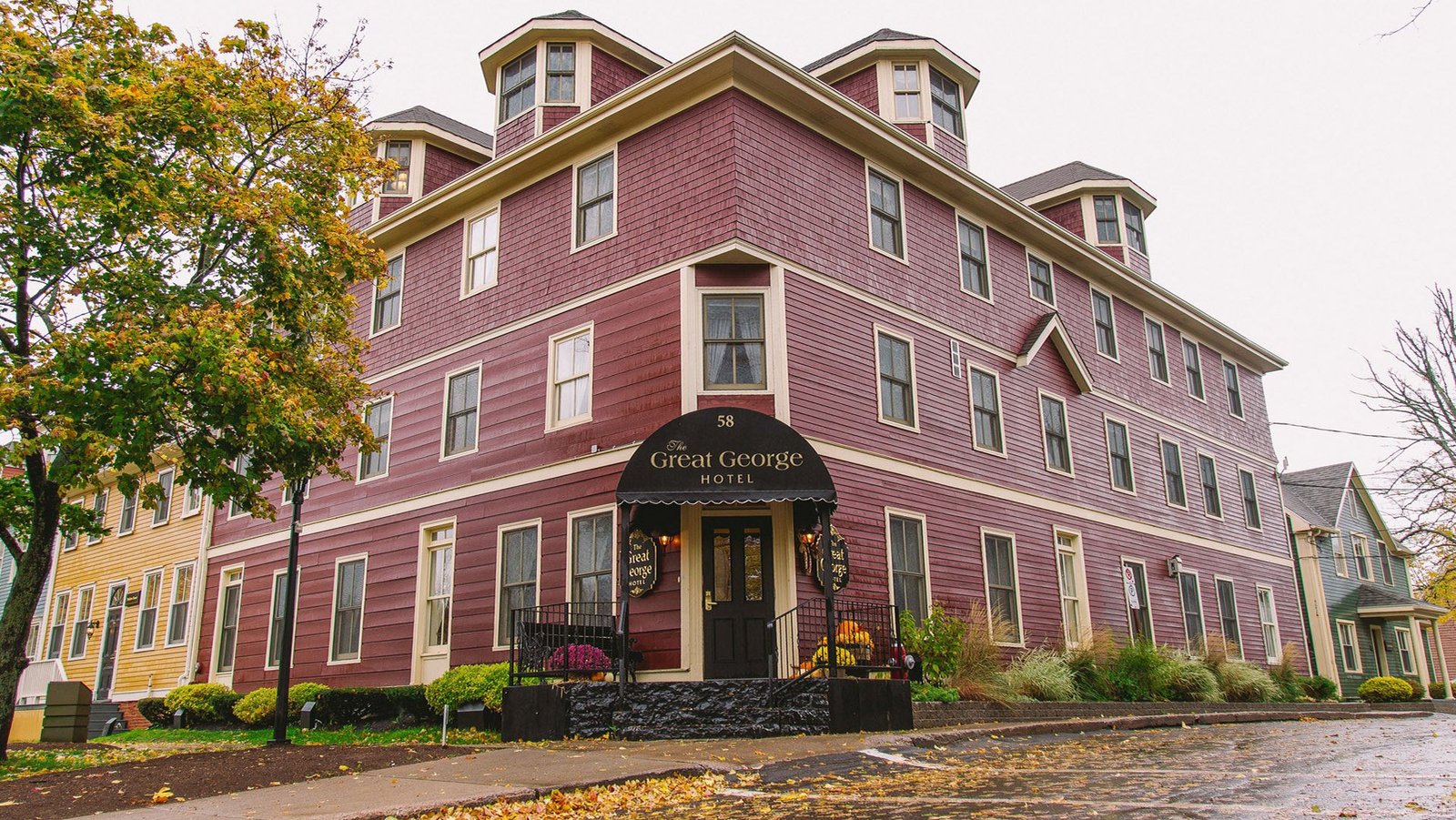
We found atmosphere, history and comfort in spades in the Great George Hotel, a cluster of 17 beautifully restored heritage buildings. Inside are antique quilts, four-poster beds, and crackling fireplaces, alongside modern suites that blend comfort with character. Daily freshly baked cookies appear in the lobby each afternoon to give guests an energy boost to continue exploring the island.
Literary pilgrims will immediately recognise the island as the setting for Anne of Green Gables, Lucy Maud Montgomery’s bestselling novels following orphan Anne Shirley through the twists and turns of her life in Avonlea, the fictional version of Cavendish, PEI. For lovers of her books there is plenty to investigate, including the museum Avonlea Village (created based on the books) and even a musical in Charlottetown. We saw the original manuscript for Rainbow Valley, along with the author’s notes on public display for the first time in over 30 years at the Confederation Centre Art Gallery in Charlottetown. The museum houses an eclectic range of exhibitions from Edward Mitchell Bannister – the first major presentation of the artist’s work in his home country since his death over 100 years ago – to The East of East Atlantic Canadian Hip Hop Archive.
Read more: How Canada got cool – why tourists can’t get enough
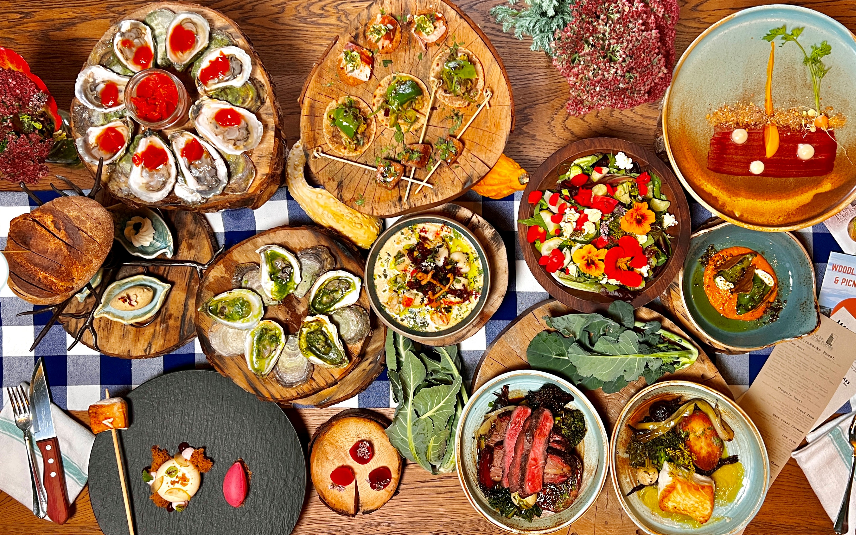
A true highlight of our stay was the Fireworks Feast at The Inn at Bay Fortune, hosted by celebrity chef Michael Smith who brings his own flair to farm-to-table cuisine. Set on a working organic farm, each fruit and vegetable is meticulously researched, with only the finest varieties cultivated to eventually grace your plate. There is Oyster Hour, for digging in to just-shucked oysters, salmon that was smoked that very morning, and tempting bites cooked over open flames and cast-iron cauldrons and fire pits for roasts, smokes, and grills with the evening’s bounty fished from the sea, land and farm. After gathering on the lawn with a glass of (English!) sparkling wine, we sat on long communal tables overlooking the bay, where five exquisite courses unfolded: pillowy house-baked bread with honey butter, a chowder that captures the essence of the surrounding sea, a salad boasting fifty different ingredients, melt-in-the-mouth beef, and a delicate finale of Haskap berry touched by lavender. A sommelier pairs each course with wine, and the evening ended fireside with homemade marshmallows to toast.
If you need a post prandial stroll to help digest this gourmet extravaganza remember red foxes are everywhere — in towns, by roads, and especially in the National Park. They’re known for being unusually calm around people, sometimes even posing for photos — though park officials warn against feeding them. The fox is an unofficial symbol of the island and often appears in local art, crafts, and folklore.
Prince Edward Island is a place of quiet charm and natural beauty — a land of lobster, potatoes, and windswept coasts, wrapped in history and storytelling. An island fit for a prince, indeed.
How to get there
There are no direct flights from the UK to Prince Edward Island, so you’ll need to travel via a major Canadian hub such as Toronto, Montreal or Halifax (around 6-7 hours from London with Air Canada). From there, a short domestic flight will take you to Charlottetown Airport – the quickest connection is from Halifax at just 45 minutes.
For a more scenic journey, fly into Halifax and hire a car for a coastal road trip (approximately 4.5 hours), crossing the impressive Confederation Bridge onto the island. It is also easy to rent a car on arrival in Charlottetown – having your own vehicle is the best way to explore PEI’s beaches, lighthouses and small coastal communities at your own pace.
Where to stay
The Great George Hotel is a boutique property full of charm and character, set right in the heart of Charlottetown. Rooms typically range from £99 to £275 per night, depending on the season and room type. Guests can expect thoughtful touches such as a complimentary breakfast, freshly baked cookies each afternoon and evening drinks. Its central location puts the waterfront, restaurants and key attractions within easy walking distance, while select suites feature fireplaces and beautifully preserved heritage details for an added sense of place.
Rosalyn’s trip was supported by Atlantic Canada