

The global aviation industry is facing significant turbulence following a dramatic surge in jet fuel prices, driven by the escalating US-Israeli conflict with Iran.
Costs have rocketed from approximately $85 to $90 per barrel to an alarming $150 to $200 per barrel in recent weeks.
This represents a substantial financial hit for carriers, where fuel can constitute up to a quarter of operating expenses. As a result, airlines are being compelled to raise fares and revise their financial outlooks.
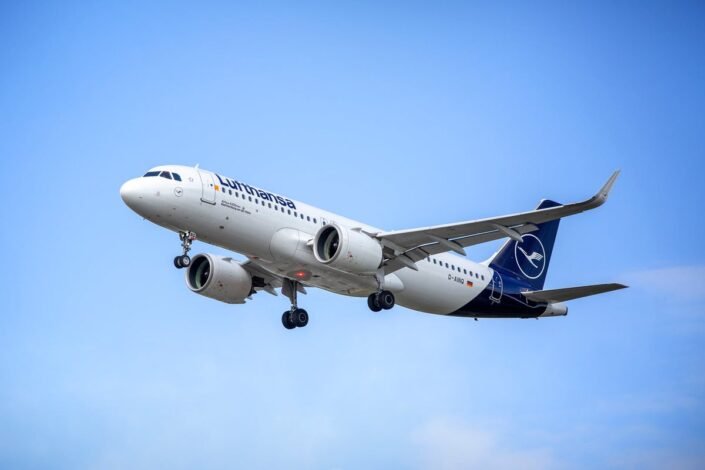
Lufthansa’s airline group is the latest to announce the cancellation of 20,000 flights in a bid to protect itself from the soaring cost of oil.
The European Commission on Wednesday proposed a series of measures to address the impact on the region’s energy markets from the U.S.-Israeli war with Iran.
The Commission said the measures – announced in a package called ‘AccelerateEU’ – included optimising the distribution of jet fuel between EU countries, in order to avoid shortages.
Previously, the European Union Energy Commissioner warned that Europe faces a challenging summer ahead amid jet fuel shortages, even in the best case scenario.
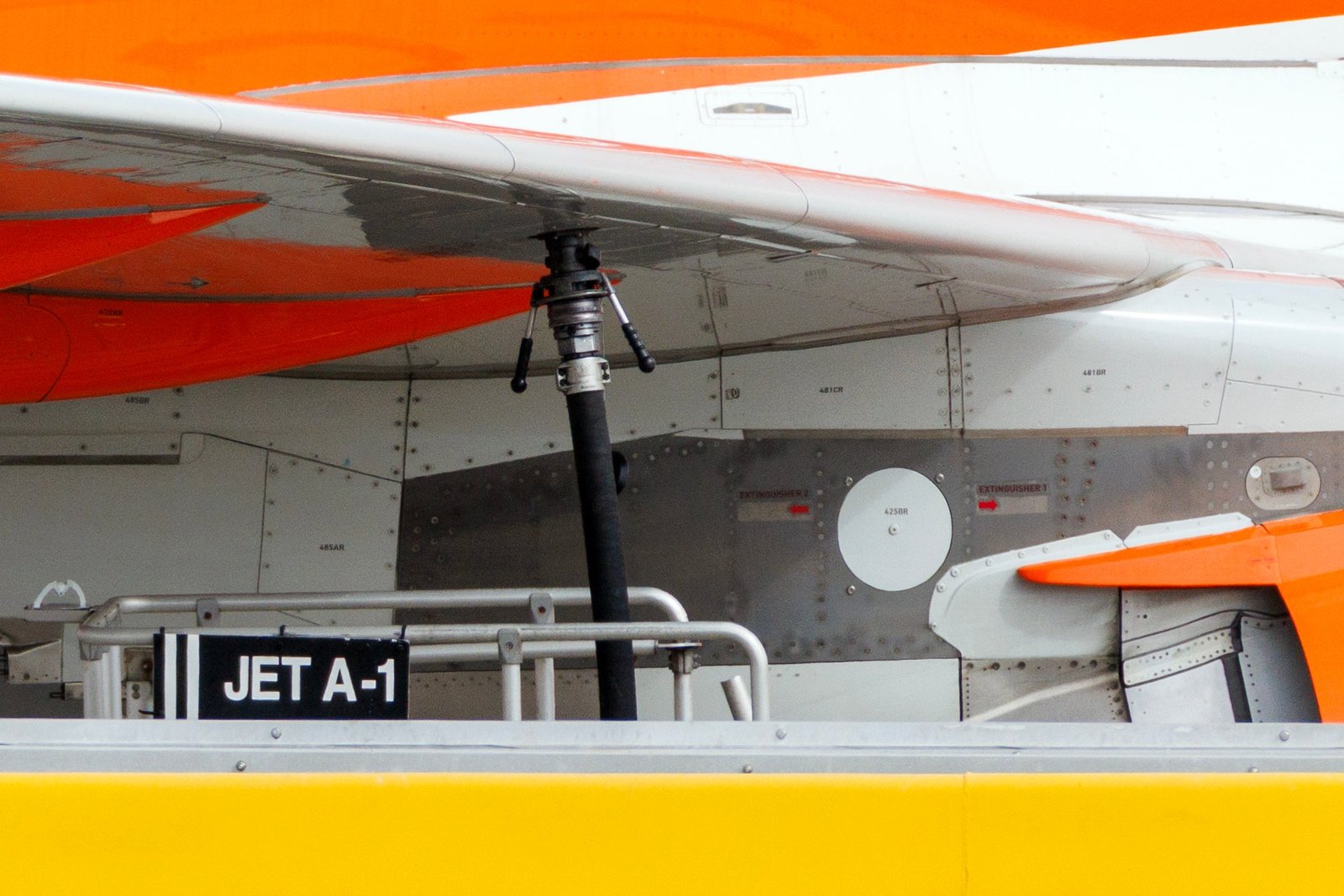
European airlines have already issued warnings of impending jet fuel shortages within weeks, with their main supply route through the Strait of Hormuz facing disruption. Approximately 75% of Europe’s jet fuel supply originates from the Middle East, making the blockage particularly acute.
Below is a list of how airlines are responding, in alphabetical order:
Aegean Airlines
The Greek airline expects suspended Middle East flights and a spike in fuel prices to have a “notable impact” on its first-quarter results.
AirAsia X
The Malaysian airline’s executives said the company had cut 10% of flights across the group, with a surcharge of about 20% on fuel in general.
Air France-KLM
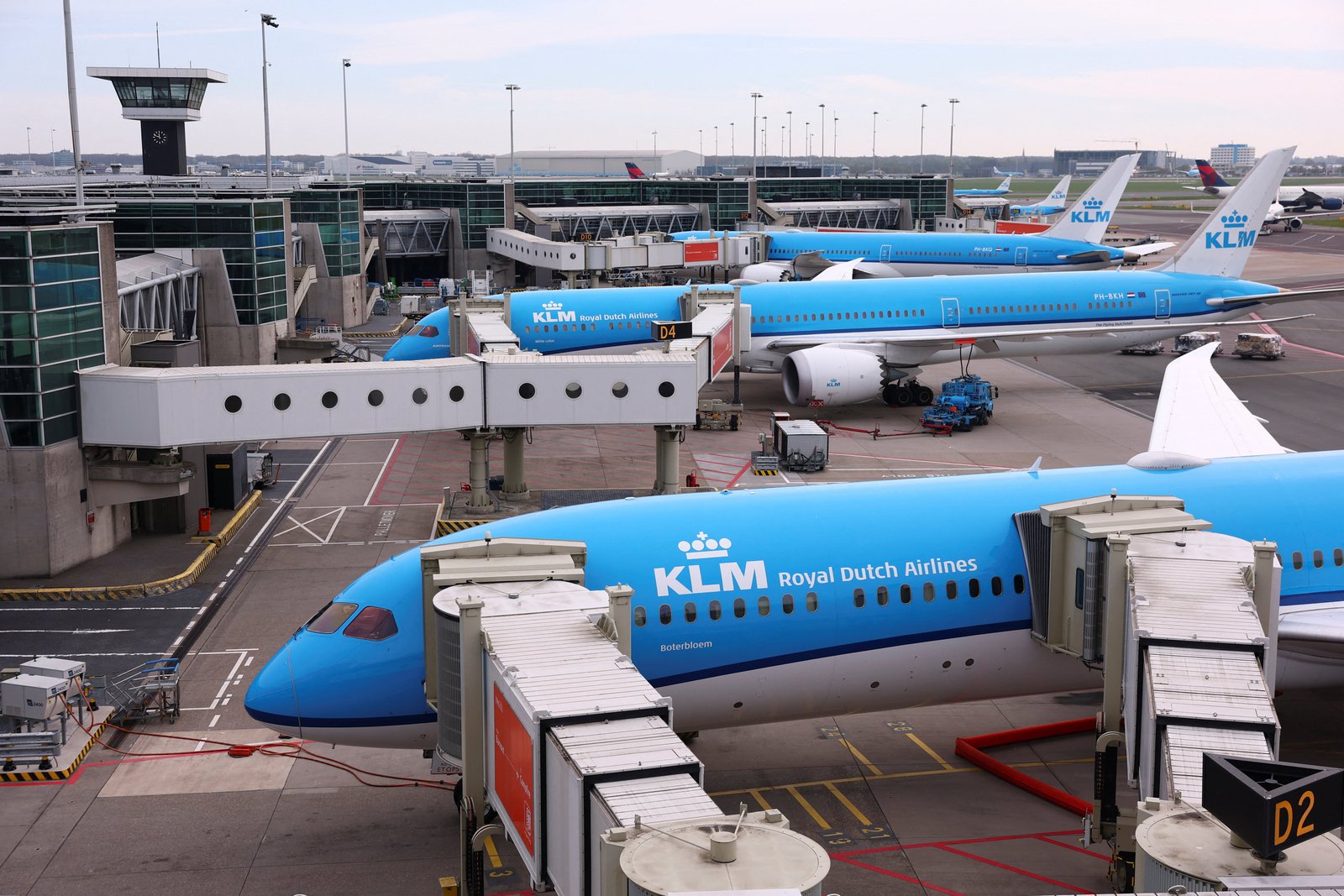
The airline group said it planned to increase long-haul ticket prices to address surging fuel costs, with cabin fares set to rise by 50 euros ($58) per round trip.
The group’s Dutch arm KLM said on April 16 it would cancel 160 flights in Europe in the coming month due to rising fuel costs.
Air Canada
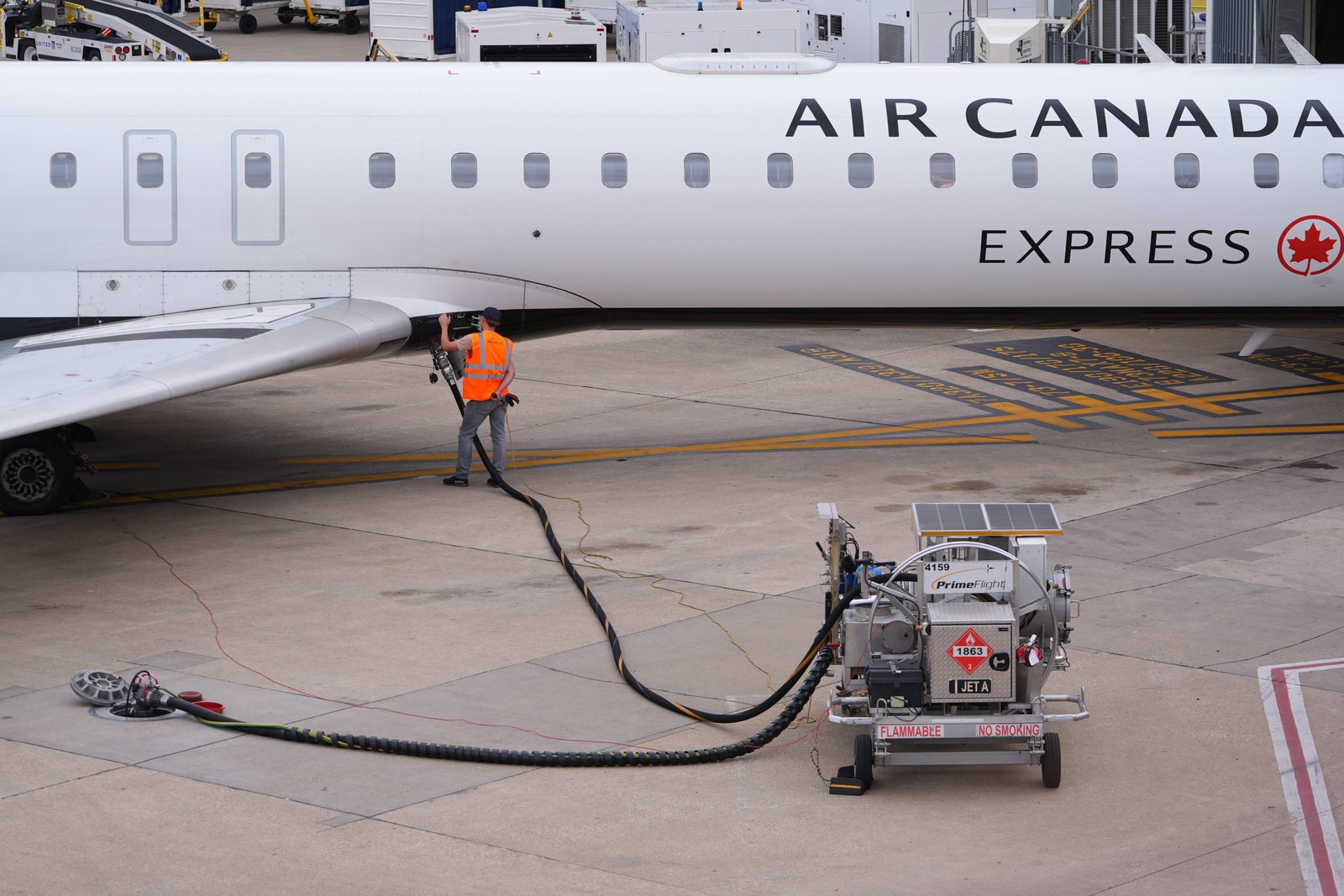
Canada’s largest carrier plans to trim four of its 38 daily flights to New York due to higher fuel prices. The four flights to JFK International Airport will be cut from June 1 to October 25, 2026.
Air India
The Indian carrier said it would revise its fuel surcharge from a flat domestic surcharge to a distance-based grid. It said surcharges on international routes did not compensate for the exponential rise in fuel prices.
Airline Operators of Nigeria
Nigerian airlines have temporarily suspended a planned nationwide shutdown of flight operations, which was set to begin on Monday, after the government intervened amid crippling fuel prices. The Airline Operators of Nigeria (AON), an industry body representing a dozen primarily domestic carriers, had warned they would halt services from April 20, citing that surging jet fuel costs had rendered operations unsustainable.
The decision to pause the action came after an appeal from Nigeria’s Minister of Aviation and Aerospace Development, Festus Keyamo, who called for restraint and dialogue. AON confirmed the concession in a statement, saying: “Rising from an emergency meeting held this evening, the Airline Operators of Nigeria has reached a concessionary but conditional decision to temporarily suspend its earlier planned shutdown action.”
This suspension is conditional on the outcome of a meeting scheduled for April 22, convened by the minister, involving all concerned parties. As part of their demands, the airlines urged government agencies and service providers to maintain services and cease requesting upfront payments, which they claim exacerbate their financial strain.
Air New Zealand
The airline said on April 7 it would slash flights through May and June and hike fares, having been one of the first to announce broad increases to ticket prices when the conflict broke out. It also suspended its full-year earnings forecast due to fuel market volatility.
Akasa Air
India’s Akasa Air said it was introducing a fuel surcharge ranging between 199 and 1,300 Indian rupees ($2 to $14) on domestic and international flights.
Alaska Air
The U.S. airline said it would increase fees for the first checked bag by $5 and by $10 for the second on its North American flights, as well as for its Hawaiian Airlines unit. It hiked prices for a third checked bag from $50 to $200.
The carrier withdrew its full-year profit forecast as the sharp rise in jet fuel prices put pressure on margins.
American Airlines
The U.S. carrier said it would hike checked baggage fees by $10 each for the first and second checked bags and by $150 for the third checked bag on domestic and short-haul international flights. It also trimmed certain benefits for economy passengers.
It had earlier said it expected a $400m increase in first-quarter expenses due to fuel prices.
Asiana Airlines
The South Korean airline will slash 22 flights between April and July due to the fuel cost increase, Newsis reported.
Cathay Pacific
The Hong Kong airline said it would cut some flight from mid-May until the end of June, cancelling about 2% of its scheduled passenger flights, while its budget airline HK Express was cutting around 6% of flights.
The carrier previously said it would hike its fuel surcharge by 34% across routes from April 1 and review them every two weeks.
The Hong Kong airline group is aiming to raise about HK$2 billion ($255 million) through a one- or two-tranche fixed-rate Hong Kong dollar bond, according to two sources with direct knowledge of the matter.
Cebu Air
The Philippines-based airline said the sharp rise in fuel prices was a key concern and it would continue to review its pricing and network strategies to mitigate the impact.
China Eastern Airlines
The airline said it would raise fuel surcharges for domestic flights from April 5, with flights of 800km and below hit with a 60 yuan ($9) surcharge and a 120 yuan surcharge for flights over 800km.
Delta Air Lines
Delta said it would cut capacity by around 3.5 percentage points from its original plan and raise fees for checked bags in an attempt to offset soaring jet fuel costs, with an increase of $10 on first and second checked bags and a $50 increase on the third.
The U.S. airline pulled all planned capacity growth for the current quarter and forecast profit below Wall Street expectations. Delta CEO said it would hold off on updating the full-year outlook given uncertainty over how long the fuel price spike would last.
Easyjet
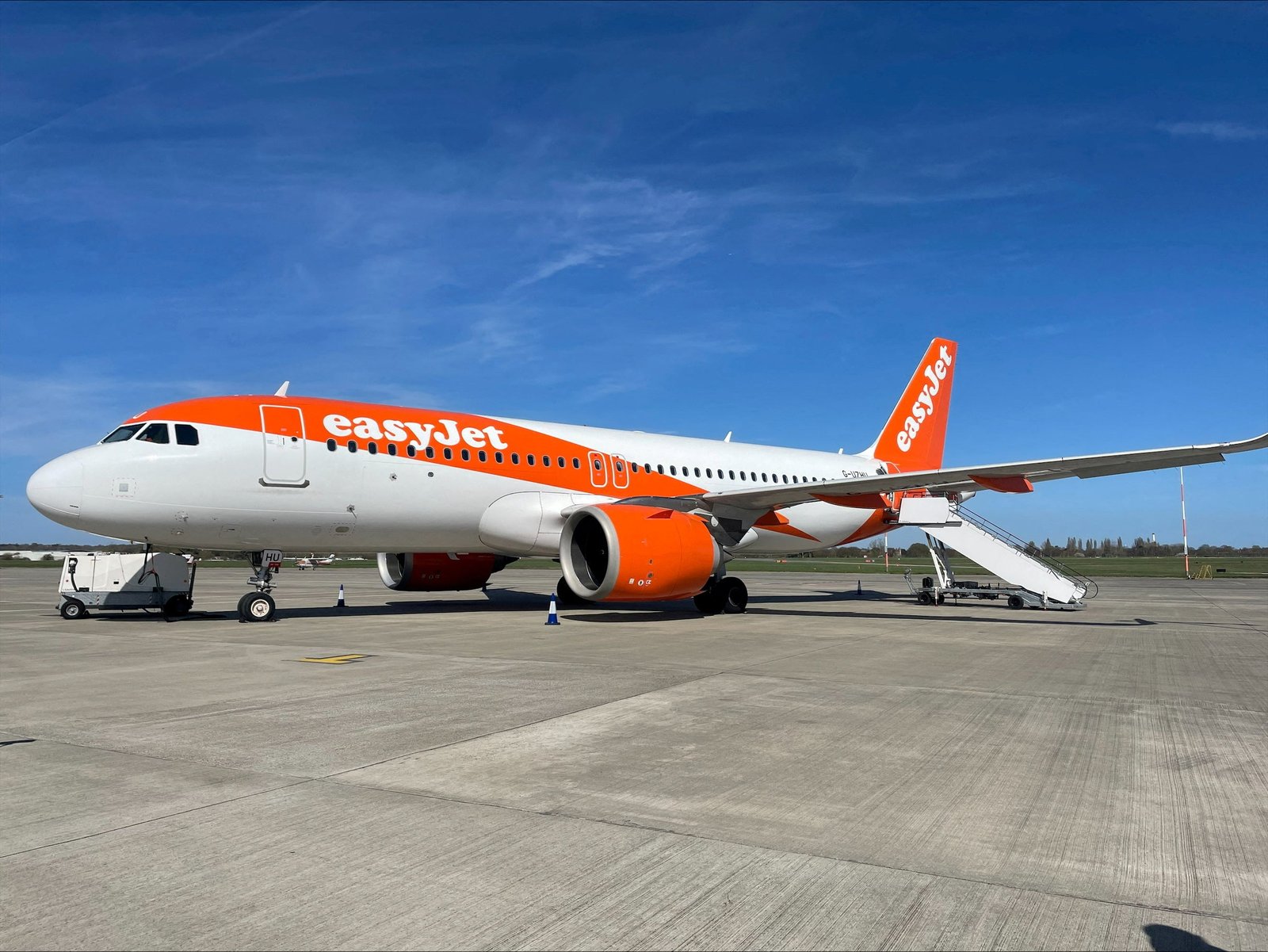
EasyJet warned of a bigger half-year pre-tax loss of between £540m and £560m ($731m and $758m), including £25m in extra fuel costs in March.
CEO Kenton Jarvis previously said European consumers should expect higher ticket prices towards the end of summer, when existing fuel hedges come to an end.
Frontier Airlines
The U.S. airline is reviewing its full-year forecast as fuel prices have increased significantly since it issued the outlook.
Greater Bay Airlines
The Hong Kong-based company said it would raise fuel surcharges on most routes from April 1, while keeping them unchanged on mainland China and Japan routes.
Its surcharge for flights between Hong Kong and the Philippines will more than double, the carrier said.
Hong Kong Airlines
The airline said it would raise fuel surcharges by up to 35% from March 12, with the sharpest increase on flights between Hong Kong and the Maldives, Bangladesh and Nepal, where charges would rise to HK$384 ($49) from HK$284.
British Airways
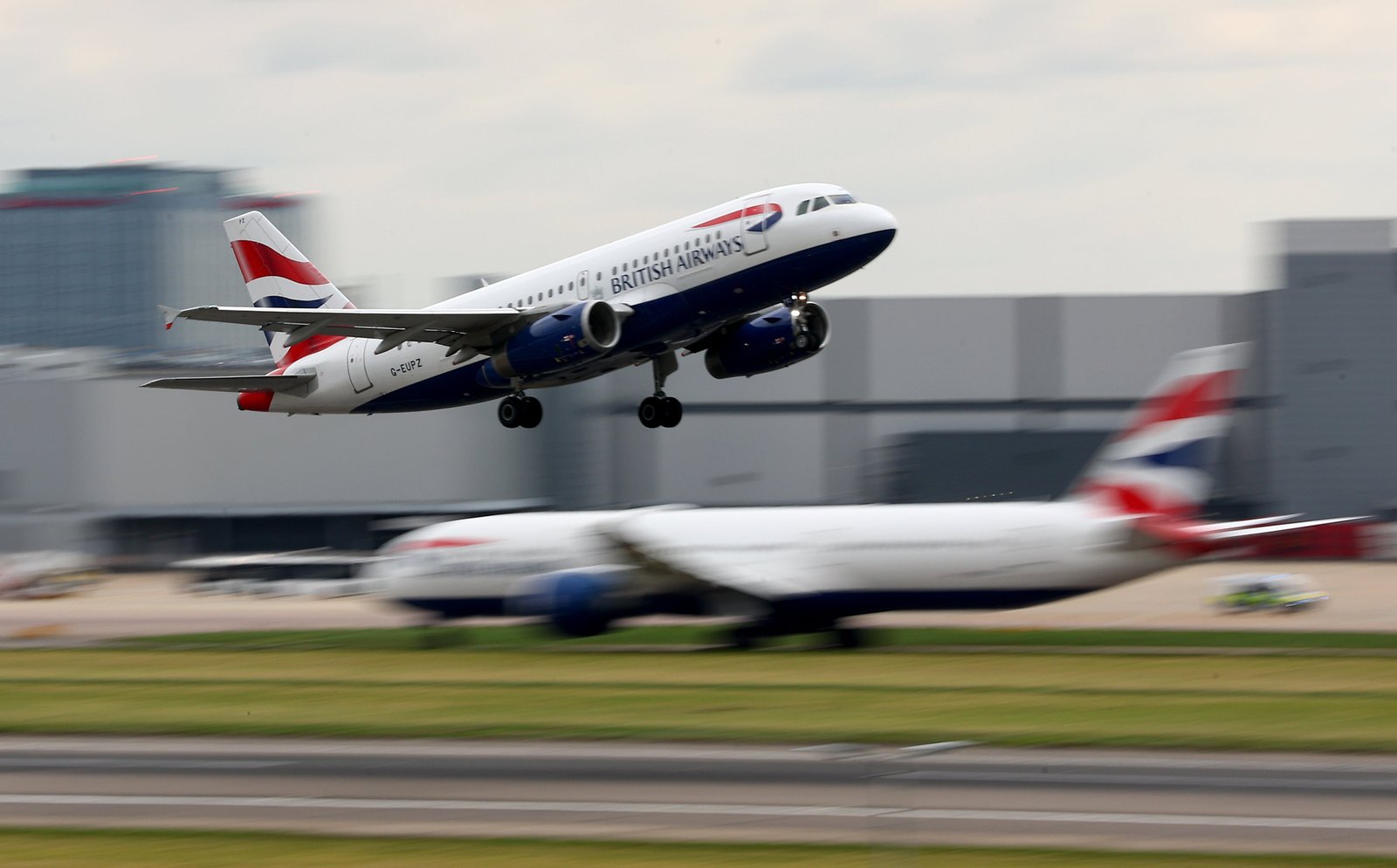
British Airways-owner IAG said in March it did not plan to increase ticket prices immediately, as it had hedged much of its fuel for the short- to medium-term.
Indigo
India’s biggest airline said it would introduce fuel charges on domestic and international flights from March 14, including a charge of 900 rupees for flights to the Middle East and a charge of 2,300 rupees for flights to Europe. The company is also lobbying the Indian government to cut fuel taxes, sources told Reuters.
Jetblue Airways
The U.S.-based low-cost carrier said it was increasing fees for optional services such as checked baggage as it experiences “rising operating costs”. Baggage prices will rise by either $4 or $9, it said.
Joanna Geraghty, CEO of the U.S.-based low-cost carrier, told employees in a memo seen by Reuters that the carrier would not consider bankruptcy this year, even as rising jet fuel costs threaten its financial recovery. The company entered a $500 million debt financing agreement, according to an SEC filing.
Korean Air
The South Korean carrier will enter emergency management mode from April, as rising oil prices weigh on costs, a source with knowledge of the matter told Reuters. The airline plans to implement phased response measures based on oil price levels, and step up company-wide cost efficiency to offset surging fuel costs.
Lufthansa
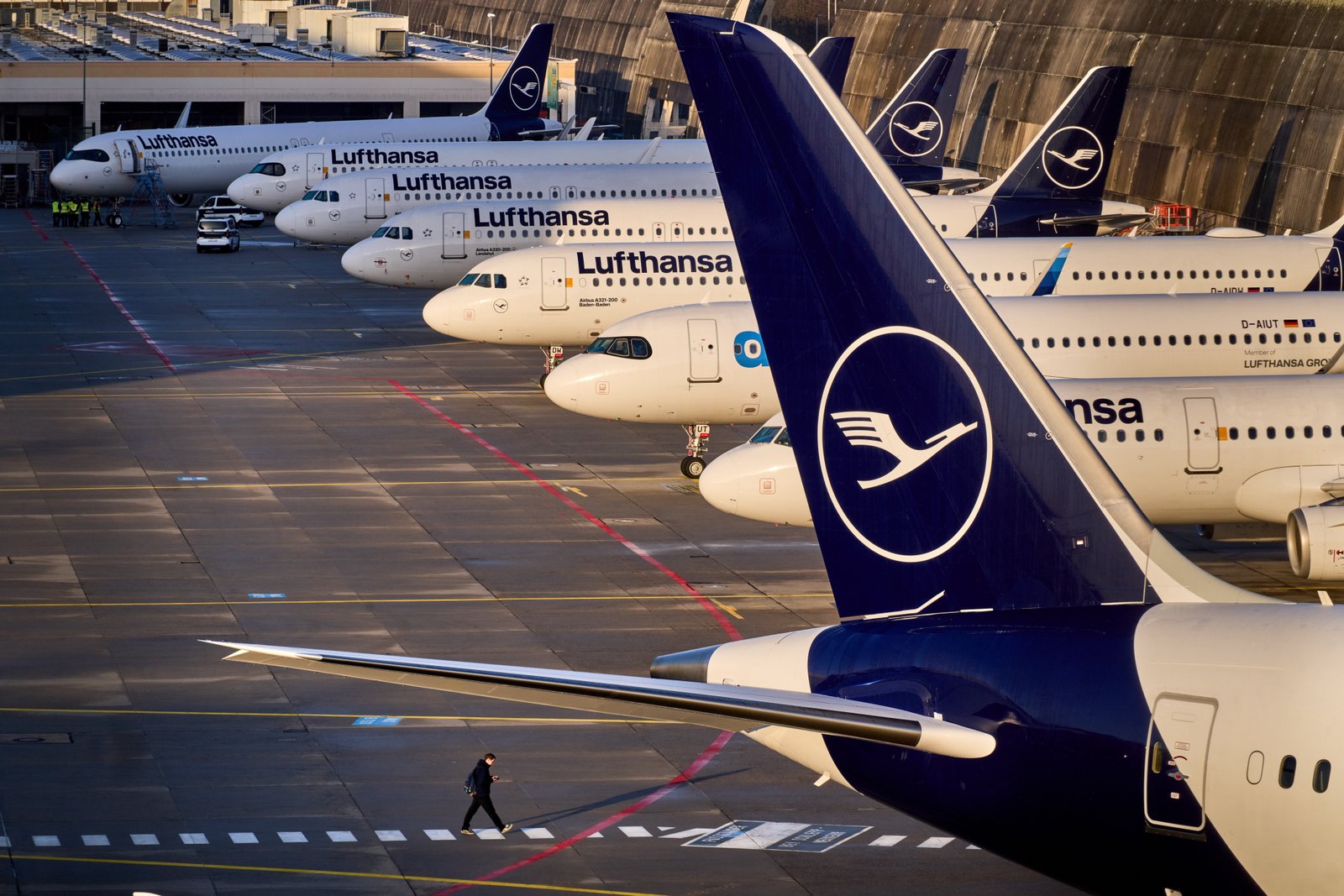
Lufthansa Group announced on Tuesday 21 April that it will cancel 20,000 flights over the next six months to save 40,000 metric tonnes of jet fuel, which it said had doubled in price.
It said it has axed “unprofitable” short-haul flights operated by its regional subsidiary Lufthansa CityLine, reducing the entire group’s capacity by one per cent in available seat kilometres this summer.
Lufthansa CityLine has hubs in Frankfurt and Munich. The first 120 daily flight cancellations took effect on Monday and will continue through the end of May. The airline said affected passengers have been notified.
The group has also permanently removed the 27 Lufthansa CityLine aircraft from operation. Some routes have also been cancelled in their entirety, including from Frankfurt to Bydgoszcz and Rzeszów in Poland, as well as Stavanger in Norway, meaning they have been temporarily removed from the flight schedule.
Nigerian airlines
The Nigerian industry body warned that Nigerian airlines would suspend all flight operations undefined from April 20 unless fuel prices are reduced, as it accused the country’s fuel industry association of artificially raising prices in a letter seen by Reuters.
Norse Atlantic
Low-cost Norwegian airline Norse Atlantic has cancelled its flight route between London Gatwick and Los Angeles due to the rise in fuel prices.
Pakistan International Airlines
The carrier said it would raise domestic flight fares by $20 and international fares by up to $100, citing higher fuel surcharges.
Qantas Airways
Australia’s Qantas said it had delayed a planned A$150m ($106m) buyback and was raising its estimated fuel bill for the second half of 2026 to A$3.1bn-A$3.3bn, from a previous A$2.5bn forecast.
SAS
The Scandinavian airline said it would cancel 1,000 flights in April because of high oil and jet fuel prices, after cancelling a “couple hundred” flights in March.
SAS, which had already increased flight prices, said that even if it tried to absorb the rising fuel costs, the price surge would still be a blow to the aviation industry.
Spirit Airlines
The U.S. low-cost carrier asked the Trump administration for hundreds of millions of dollars in emergency funding to offset rising fuel prices and stave off a possible liquidation, Air Current reported citing people familiar with the matter.
Spring Airlines
The budget Chinese airline said it would raise fuel surcharges on domestic flights from April 5, with details to be announced later.
Southwest Airlines
The American carrier said it would hike checked baggage fees by $10 for the first and second bags, raising costs to $45 for the first bag and $55 for the second.
TAP
The Portuguese airline said its price hikes would partially mitigate the impact of fuel price changes on its revenue.
Thai Airways
The Thailand-based carrier said it would raise fares by 10% to 15% to address rising fuel costs.
TUI
Europe’s largest tour operator TUI cut its underlying operating profit forecast and suspended its revenue guidance, citing uncertainty caused by the Iran war, prompting its shares to fall by 2.6% on Wednesday.
TUI, which operates its own fleet of aircraft and is exposed to travel disruptions and tight jet fuel supplies, joined airlines from easyJet to Wizz Air in warning of the negative impact of the conflict.
“TUI shares are down 25% in the last 3 months pricing in some of this effect,” Bernstein analysts said. TUI said it was 83% hedged for jet fuel for this summer, which was helping it stay resilient despite price volatility.
SunExpress
SunExpress, a joint venture between Turkish Airlines and Lufthansa, said it would impose a temporary fuel surcharge of 10 euros per passenger from May 1 on routes between Turkey and Europe. The surcharge will apply to bookings made on or after April 1 for departures on or after May 1.
Turkish Airlines said on April 10 it had decided not to distribute any dividend from its 2025 net profit, opting to retain earnings to preserve cash.
T’Way Air
The South Korean low-cost carrier said it planned to furlough some of its cabin crew without pay in May and June as part of measures to address the impact of the war.
United Airlines
The U.S. airline is cutting unprofitable flights over the next two quarters as it prepares for oil prices to remain above $100 until the end of 2027, CEO Scott Kirby said.
United has been able to raise fares without materially hurting bookings in response to the rapid increase in oil and jet fuel prices, Chief Commercial Officer Andrew Nocella said.
It is also increasing first and second checked bag fees by $10 for customers travelling in the U.S., Mexico and Canada and Latin America, it said in an e-mailed statement to Reuters.
Vietjet
The Vietnamese budget airline said it had adjusted flight frequency on selected routes due to potential fuel shortages.
Vietnam Airlines
The carrier plans to cancel 23 flights per week across domestic routes from April, Vietnam’s aviation authority said, after the airline requested government assistance to remove an environmental tax on jet fuel.
Virgin Atlantic
The airline is adding fuel surcharges to fares but will still struggle to return to profitability this year, its CEO Corneel Koster told the Financial Times.
Virgin Australia
Virgin Australia said it expected an increase in jet fuel cost of around A$30m-A$40m for the second half of this fiscal year, and a 1% reduction in capacity in the fourth quarter.
The airline previously said it was adjusting fares to reflect rising cost pressures.
Volotea
The Spanish low-cost airline introduced a new pricing policy linking ticket prices to fuel costs, which could potentially add a post-purchase surcharge of up to 14 euros ($16.50) per passenger, per flight.
Westjet
The Canadian airline has cut seat capacity for June as costs soar, the Globe and Mail reported. The carrier will add a C$60 ($43) fuel surcharge to some bookings and combine flights as costs soar, the Canadian Press previously reported.
($1 = 0.8557 euros)
($1 = 92.6520 Indian rupees)
($1 = 6.8306 Chinese yuan renminbi)
($1 = 7.8319 Hong Kong dollars)
($1 = 1.3834 Canadian dollars)
($1 = 1.4118 Australian dollars)
($1 = 0.7389 pounds)