
It’s an objective fact that humanity’s footprint on the planet cannot be erased—we will affect the land and seas and air one way or another through technology, society, and certainly travel. In the past, the goal was to mitigate or lessen the affects we and the tourism industry have on the earth. Now, the point is to leave our home better than we found it. A shift toward a more regenerative mindset has travelers, hotels, and tour operators thinking about how they can improve places and communities through travel, including hoteliers and visitors who want to do good.
“Where sustainability is about us wanting to do less harm, regenerative goes further, promoting travel that actively restores nature and jump-starts local economies,” says sustainability expert Juliet Kinsman. “Travelers are asking not just whether a hotel is sustainable, but whether it’s actively making their corner of the world better. That’s the bar.” And travelers are doing their part, making more responsible choices, like opting for less trodden hiking trails that visit rural communities and embracing slower, more planet-friendly modes of travel like trains and wind-powered cruises.
Here are the eight biggest trends driving sustainable travel in 2026. For more people, places, and projects proving that travel can be a force for good, check out our latest list of Bright Ideas in Travel.
Rewilding landscapes
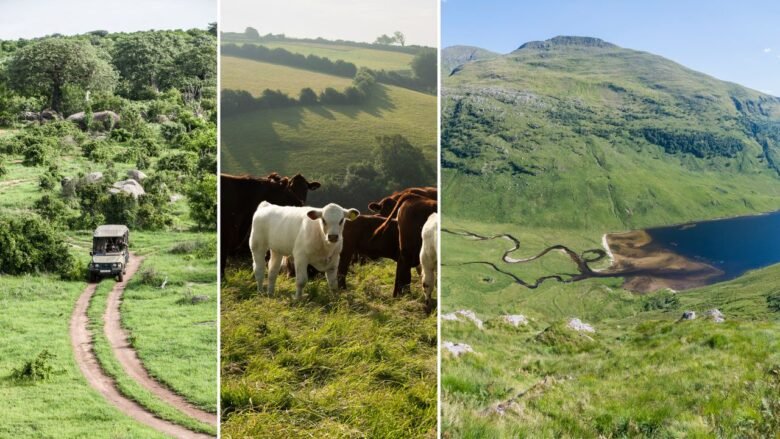
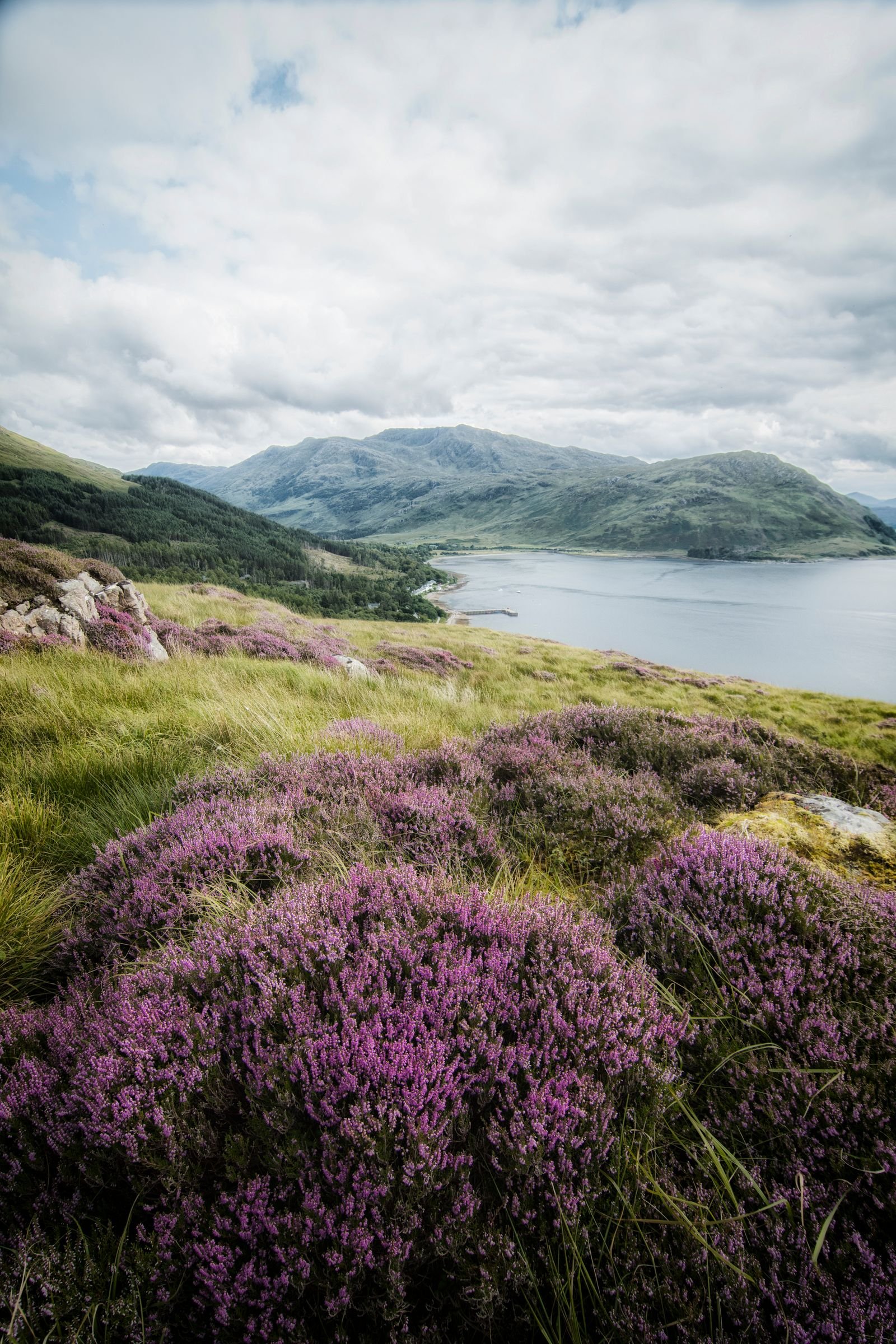
At a time where we are bombarded with news of biodiversity loss and deforestation, it feels incredibly powerful and hopeful to visit landscapes where we can witness regeneration. Tourism projects in Romania, Argentina, Zimbabwe, and beyond are helping fund many large-scale rewilding efforts, underscoring that with proper care—removal of invasive species, reforestation, reintroduction of endemic fauna and flora—the land can heal. The Scottish Highlands has emerged as a poster child for rewilding success: Alladale, a 23,000 acre lodge and wilderness reserve north of Inverness, has restored 550 acres of damaged peatland, planted one million native trees, and stabilized the salmon, water vole, and grouse populations. In May, Kilchoan Estate, the latest property from Dunton Destinations, will open on a 13,000-acre patch of wilderness on the remote Knoydart Peninsula; over 555 acres have already been replanted with native trees. Danish billionaire Anders Holch Povlsen created WildLand to help achieve his ambitious 200-year vision to rewild 220,000 acres in the Highlands. The conservation organization works to restore peatlands, replant native Caledonian pine forests, and reintroduce endangered species such as ptarmigans. Travelers can see the work first-hand by visiting WildLand’s collection of 20-some cottages, estates, and lodges, including the soon-to-open Hope Lodge in Sutherland.